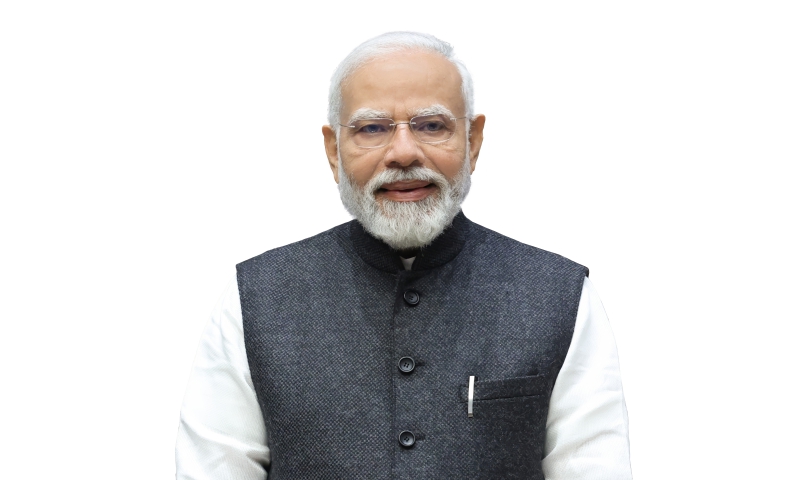
Prime Minister Narendra Modi urged people to reduce spending that adds to India's import bill during his May appeal on the West Asia crisis. In Vadodara on May 11, he referred back to his remarks in Karnataka and Telangana the previous day and repeated calls to use less petrol and diesel, postpone gold purchases and choose domestic holidays.
The address named public transport, carpooling, virtual meetings and work-from-home arrangements among ways to reduce fuel use. Modi also asked consumers to prefer locally made goods and encouraged weddings within India. He linked the appeal to higher imported-product prices and disruption of supply chains, saying the government was trying to limit the impact on ordinary citizens.
The speech linked gold and fuel purchases through their demand for foreign currency. Its domestic-tourism appeal also directed spending toward Indian destinations, alongside the request to reduce purchases requiring overseas payment.
The Reserve Bank's published account of reserve management describes foreign-exchange reserves as external assets available to the monetary authorities to meet international-payment needs and support related operations. Those reserves provide a financial buffer distinct from the value of imports purchased over a particular period.
The RBI also explains that reserve totals move with valuation changes and income earned on reserve assets. Exchange rates and asset prices can therefore affect the published value, in addition to transactions. A change in reserves cannot be read simply as the amount households have spent abroad; the underlying components and the dates being compared matter.
Modi's appeal consequently concerned one channel of external demand: the goods and services people choose to buy. The reserve framework covers a broader set of international assets and financial movements. Keeping the two measures separate helps explain why a request to conserve imported fuel can be economically relevant without providing, by itself, an explanation for a particular weekly change in the reserve stock.