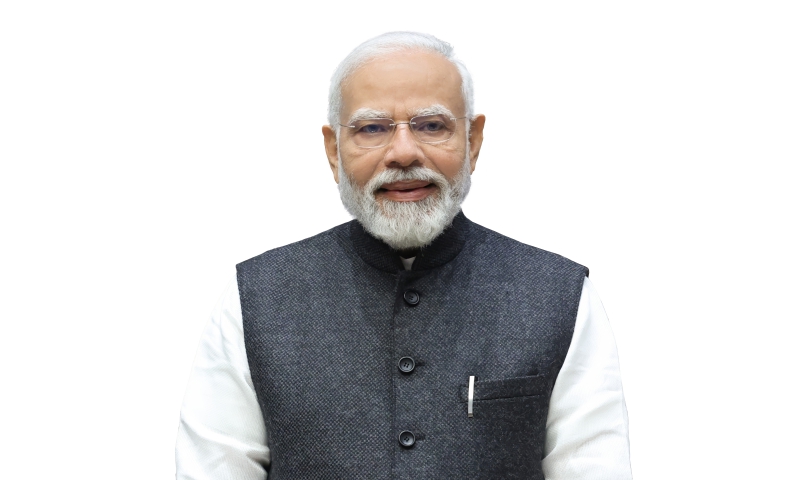
Congress MP Shashi Tharoor has described the rise of the satirical Cockroach Janta Party as a sign of deeper youth frustration with government, education, unemployment and the wider political system. His comments place the viral online movement into a larger debate on whether the Opposition can convert discontent into electoral politics.
Tharoor argued that the phenomenon should not be dismissed as only social-media humour. In his view, the rapid spread of the satire reveals a public desire for new forms of expression, especially among young people who feel blocked by exam uncertainty, limited opportunities and inflation.
The political significance lies in the gap between online anger and organised politics. A satire page can express frustration, but it cannot fight elections or implement policy. Tharoor's argument is that mainstream parties, especially the Congress and the wider Opposition, must engage such voters before frustration turns into permanent distrust of all parties.
The government has reportedly treated parts of the CJP ecosystem as a security concern, and Tharoor criticised the blocking of the handle as damaging for democracy. The debate therefore touches both political communication and digital freedom: how far can satire go, and when does the state see it as a threat?
For the Opposition, the opening is real but difficult. Young voters may be angry with the government, but they may also be impatient with older parties. The challenge is to offer answers on jobs, exams, education and cost of living rather than only amplify resentment online.