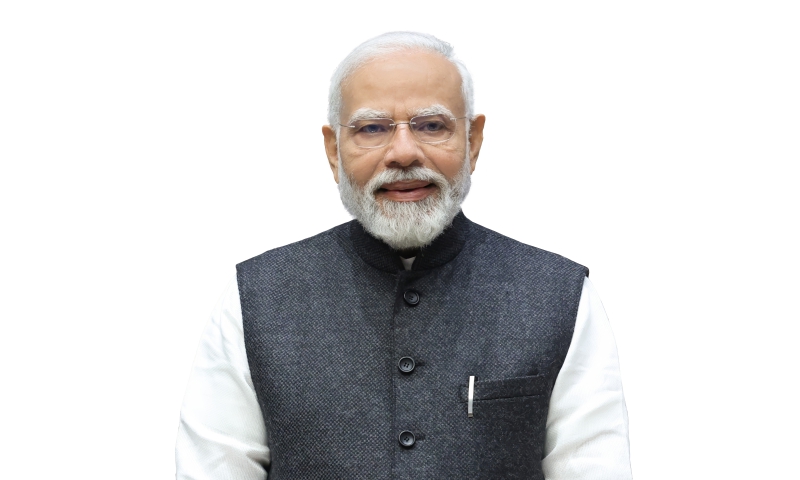
Prime Minister Narendra Modi chaired a Council of Ministers meeting on May 21, ahead of the completion of two years of his government's third term. In a public statement the following morning, he said ministers had discussed administrative practices, public services, business conditions and reforms linked to the government's Viksit Bharat objective.
NDTV reported that the closed-door meeting lasted four and a half hours. Citing sources, it said nine departments made presentations, naming Agriculture, Forestry, Labour, Road Transport, Corporate Affairs, External Affairs, Commerce and Power among them. The report said Modi asked ministers to concentrate on future work, accelerate decisions and make government procedures simpler for citizens.
Ministries had earlier submitted reports to the Cabinet Secretariat on reforms undertaken during the preceding two years and their future plans, according to NDTV. The meeting included a presentation on the government's 12-year record. External Affairs Minister S Jaishankar briefed colleagues on the recent five-nation diplomatic outreach, bringing the external agenda into the same review as domestic administration.
Modi's own account described the exchange as focused on ease of living and doing business. His public statement confirmed the broad reform agenda, while the meeting's duration, individual presentations and instructions were reported through NDTV's sources. The two accounts place service delivery alongside departmental planning as the main subjects of the review.
An existing part of the government's service-delivery framework is the 2024 CPGRAMS grievance policy. The Department of Administrative Reforms and Public Grievances advised ordinary complaint resolution within 21 days, an interim explanation when more time is required, and an appeal route for citizens dissatisfied with disposal. It also assigned nodal officers responsibility for reviewing feedback and recurring causes of complaints. These rules predate the meeting and provide concrete administrative context for its public-service emphasis: departments already have responsibilities covering both response times and what happens when a citizen contests an answer.