Pact changes is among the main developments being tracked today. Political consensus is a tacit and unwritten arrangement that is deliberately worked out by competing political actors and groups to facilitate smooth functioning of State in a democratic set-up.
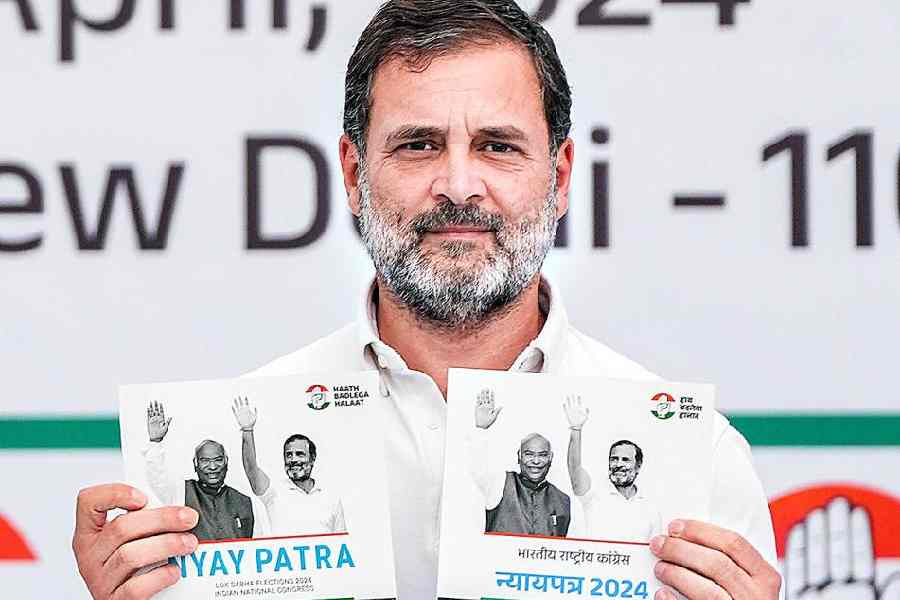
The recent public debate on Rahul Gandhi’s capabilities as an effective challenger invites us to re-examine the form and the substance of contemporary Indian politics.
This debate opens up a possibility to find out the internal configuration of India’s political class and the nature of political competitiveness.
Rahul Gandhi has made serious efforts to engage with common people through a positive and inclusive agenda, especially during the Bharat Jodo Yatra.
The Congress’s performance in the 2024 Lok Sabha elections cannot be underestimated either.
However, the inability of the Congress Party — and, for that matter, of Rahul Gandhi — to sustain and nurture the gains from these crucial initiatives is an important political phenomenon.
For Indian political coverage, the most important question is whether the development changes governance priorities, party strategy, parliamentary work, electoral positioning or the public record around a policy decision.
The immediate importance of the story depends on verified public details, named institutions, official records and follow-up statements that clarify timing, scale and impact. NewsLive24 treats automated daily publishing as an early public-interest report and keeps the article open for later editorial expansion.
The next useful updates will usually come through formal notices, direct statements, court or regulator records, market filings, election authorities, multilateral agencies or on-ground reporting. Readers should treat fast-moving claims carefully until those records are available.
The newsroom will update the report if later documents, photographs, verified field reports or official clarifications materially change the story.