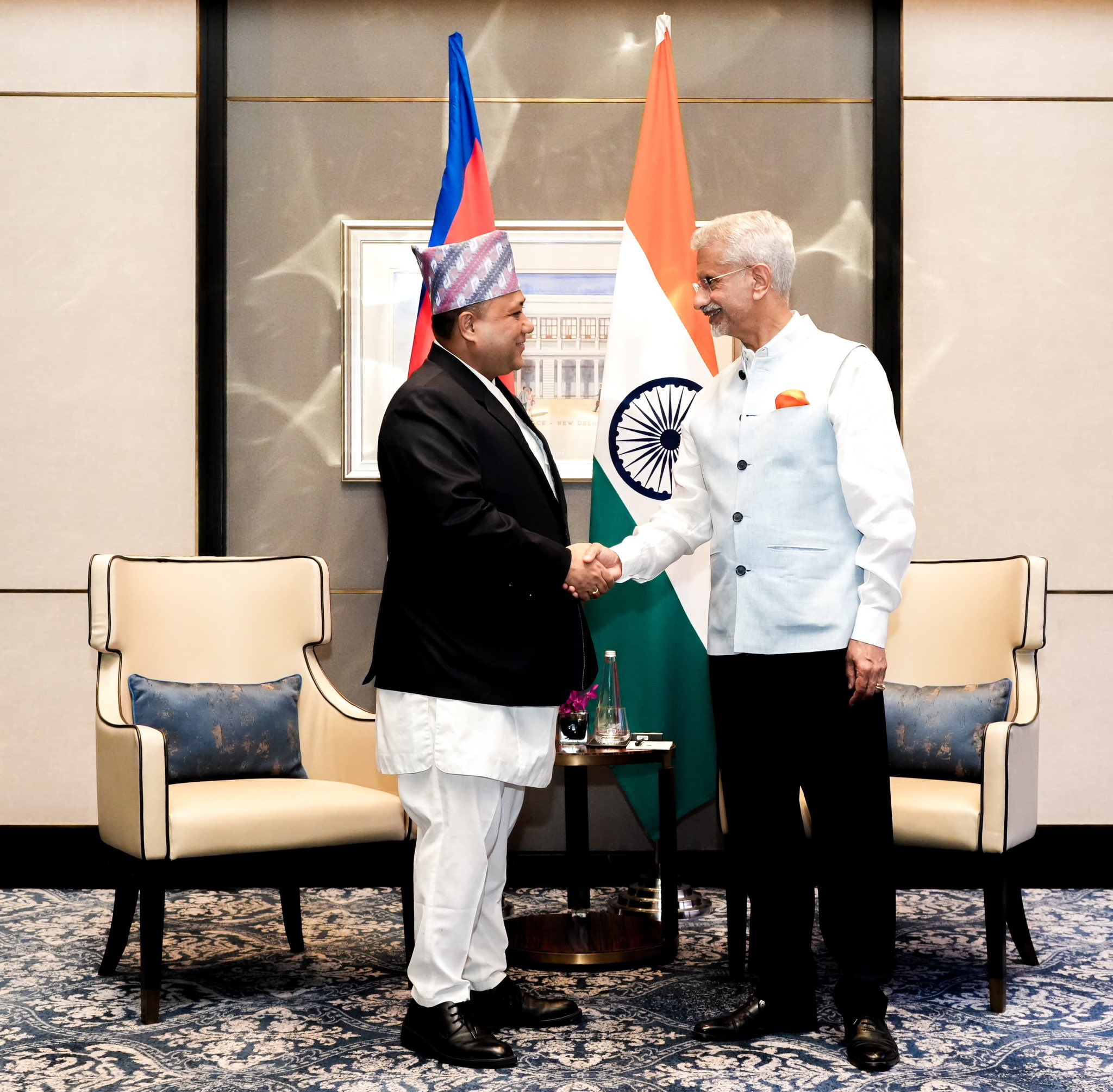
Opinion | India’s Jaishankar is deep in Nepali leadership’s psyche is among the main developments being tracked today. Recent diplomatic outreach has prompted a reassessment in Kathmandu of Delhi’s role nearly 11 years ago and how those perceptions have evolved since.
S Jaishankar is not a name that has sat well in the Nepali psyche since 2015.
His September 2015 visit to Kathmandu as a special envoy of Indian Prime Minister Narendra Modi came just days before Nepal promulgated its new constitution.
The visit, during which Jaishankar held a series of meetings with the country’s top political leaders and conveyed New Delhi’s reservations over the charter, was followed by a border blockade that left a lasting scar on the Nepali public memory.
For years, the episode shaped how many in Nepal viewed both Jaishankar and India’s approach to its northern neighbour.
He became a name that symbolised one of the most difficult chapters in Nepal-India relations.
For Indian political coverage, the most important question is whether the development changes governance priorities, party strategy, parliamentary work, electoral positioning or the public record around a policy decision.
The immediate importance of the story depends on verified public details, named institutions, official records and follow-up statements that clarify timing, scale and impact. NewsLive24 treats automated daily publishing as an early public-interest report and keeps the article open for later editorial expansion.
The next useful updates will usually come through formal notices, direct statements, court or regulator records, market filings, election authorities, multilateral agencies or on-ground reporting. Readers should treat fast-moving claims carefully until those records are available.
The newsroom will update the report if later documents, photographs, verified field reports or official clarifications materially change the story.