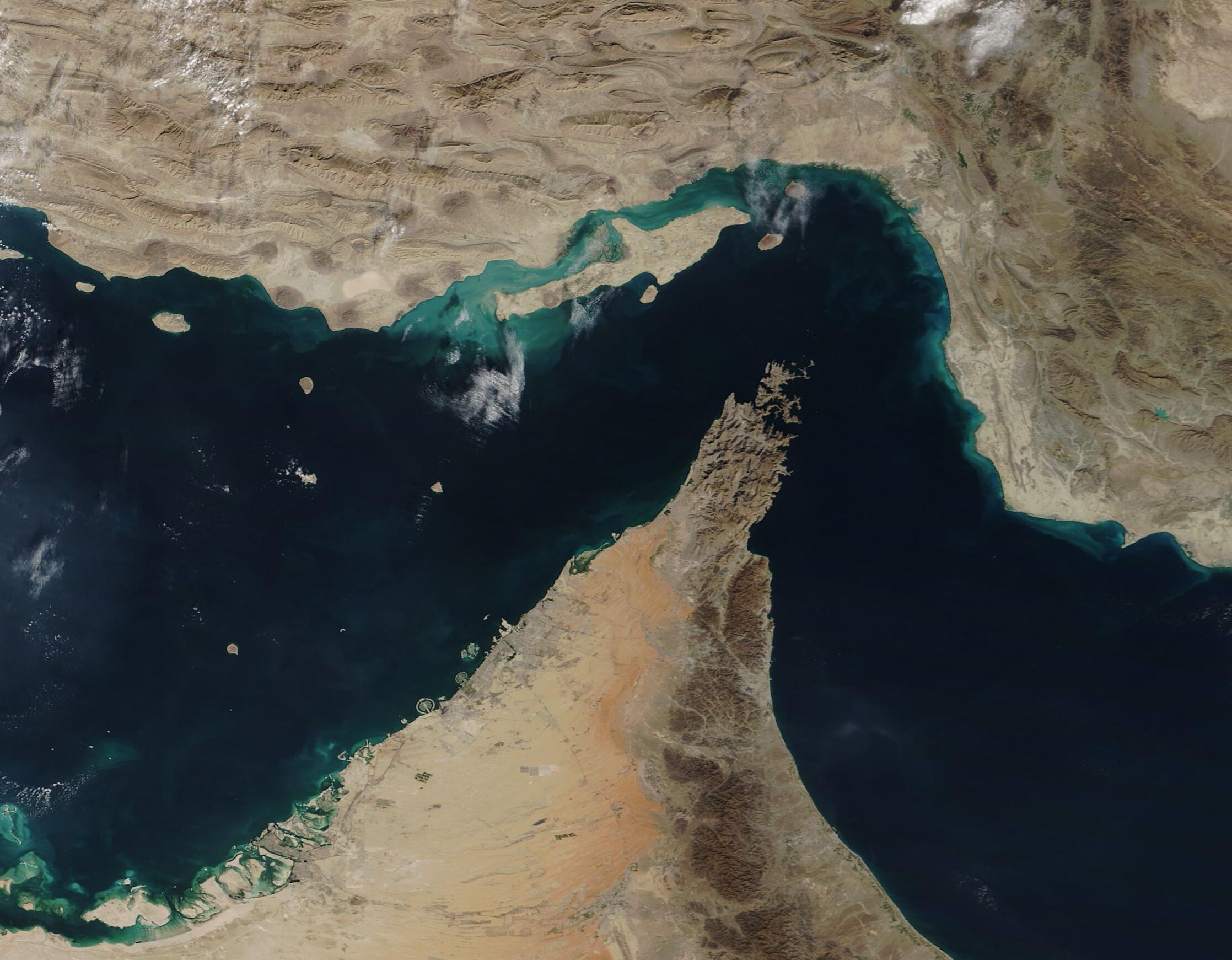
Iranian security chief Mohsen Rezaei said on September 6, 2026, that Tehran would establish a restricted maritime area stretching from the US naval blockade line towards the Strait of Hormuz and the Persian Gulf. In remarks reported by Iran International, he threatened to blacklist ships and their owners if they entered the area intending to transit the strait but ignored Iranian orders to stop.
Rezaei said the restrictions would remain while the American naval blockade continued. He warned that listed vessels could encounter insurance difficulties and risk detention on returning to the Gulf. He also said Iran was nearing an agreement with Oman on a new shipping corridor through Iranian and shared waters. These were his descriptions of Tehran's intended controls and penalties, not an internationally agreed navigation arrangement.
The warning followed an expansion of Iran's existing vessel blacklist. Reuters reported on September 2 that the Persian Gulf Strait Authority's website listed 56 ships, up from the 45 announced on August 24. The published list included vessels carrying crude oil, liquefied gases and refined products. The authority threatened fines, confiscation or detention for ships it classified as non-compliant when they attempted to pass through Hormuz.
That earlier list also targeted cooperation between ships: the authority said vessels transferring cargo or oil with blacklisted ships could themselves be added. It required a formal application with supporting reasons for removal. Reuters reported that at least three Indian refiners and a global energy company planned to stop using listed tankers because of security concerns. This response preceded Rezaei's proposed wider zone and showed the blacklist was already influencing which vessels buyers were prepared to charter.