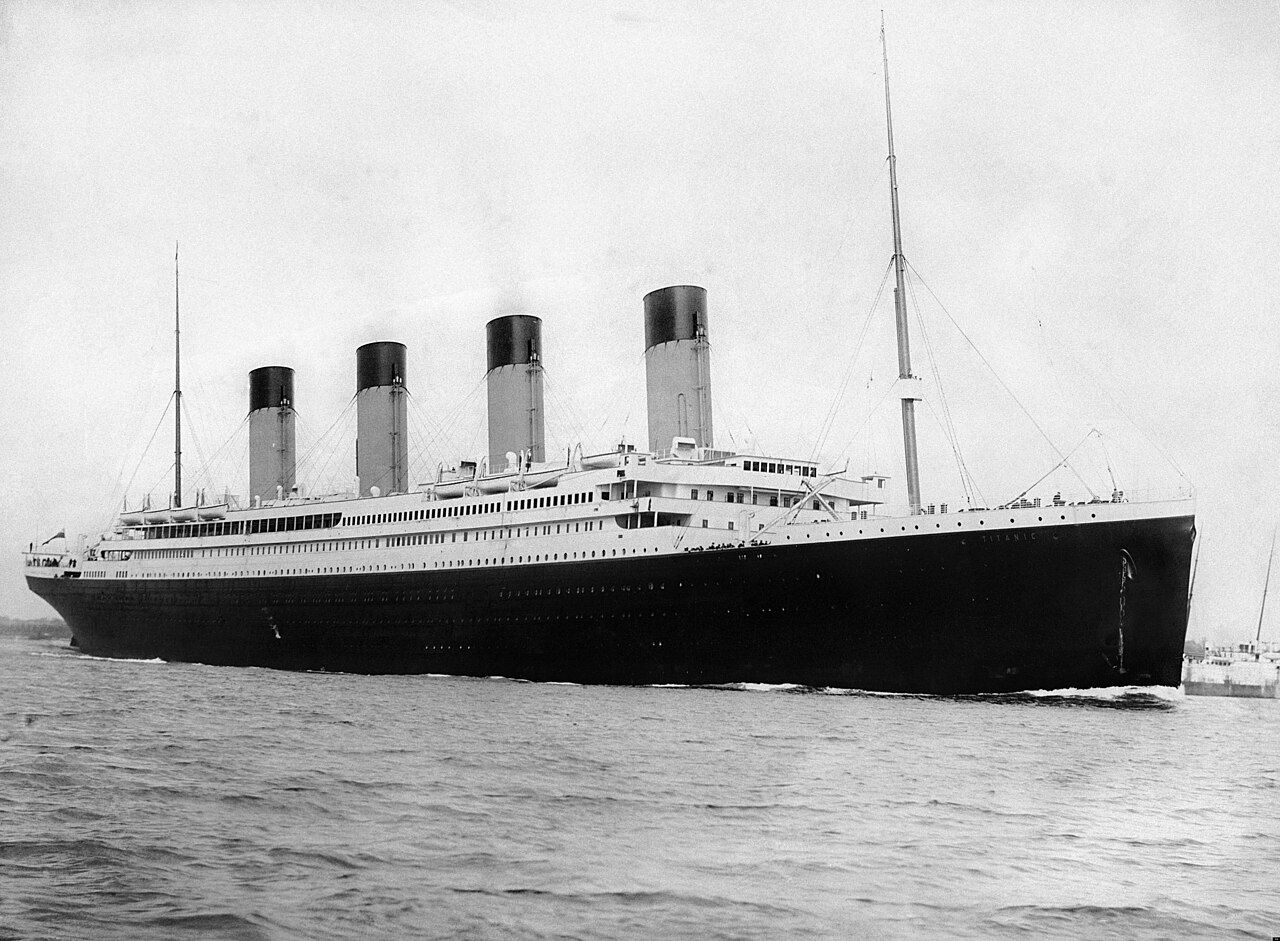
The allegation that Titanic was secretly exchanged with Olympic depends on more than the liners looking alike. It proposes that one ship's identity was substituted for another and that the loss served an insurance scheme. The relevant history therefore includes construction differences, the actual insurance arrangement and the investigations following the sinking, not just photographs of two related designs.
Titanic Belfast's ship fact file identifies Titanic as Harland and Wolff yard number 401 and Olympic as number 400. It records Titanic's launch on May 31, 1911, and handover on April 2, 1912. These identifiers are more specific than the White Star Line names painted on the vessels.
The museum also explains an external difference: Titanic's forward promenade was enclosed with glass after experience of spray on Olympic's deck. Passenger accommodation had been revised as well. Sister ships were consequently not interchangeable objects distinguished only by lettering. A comparison that ignores design changes misses part of the evidence it is supposed to explain.
Lloyd's own historical insurance leaflet records that broker Willis Faber & Co arranged cover for both liners in January 1912, at one million pounds each. Risk was distributed among participating insurers. The existence of a payout after a loss does not by itself establish deliberate sinking; it is also the ordinary function of the cover that had been purchased.
The leaflet further describes conflicting reports reaching the insurance market on April 15 and their effect on reinsurance prices. That detail matters because the financial history was not simply a predetermined cheque awaiting collection: uncertainty about the ship's fate affected transactions. It should not, however, be stretched into a claim that insurers independently disproved every later conspiracy allegation.
The US National Archives describes a different body of evidence: Senate hearings that began on April 19, 1912, and later civil litigation. Witnesses were questioned about ice warnings, speed, lifeboats and responsibility. Those records concern concrete failures and contested accounts surrounding Titanic's loss.
These sources do not supply an authenticated document ordering a swap. They instead document two separately identified ships, design differences, insurance for both and investigations into the disaster. The unsupported switch story should not displace that history. Distinct yard numbers and accommodation changes mean that resemblance alone is a poor test of ship identity.