An unusual burial can preserve evidence of fear without proving that the feared creature existed. A nineteenth-century Connecticut case illustrates the difference between a community's beliefs and the physical evidence used to study them.
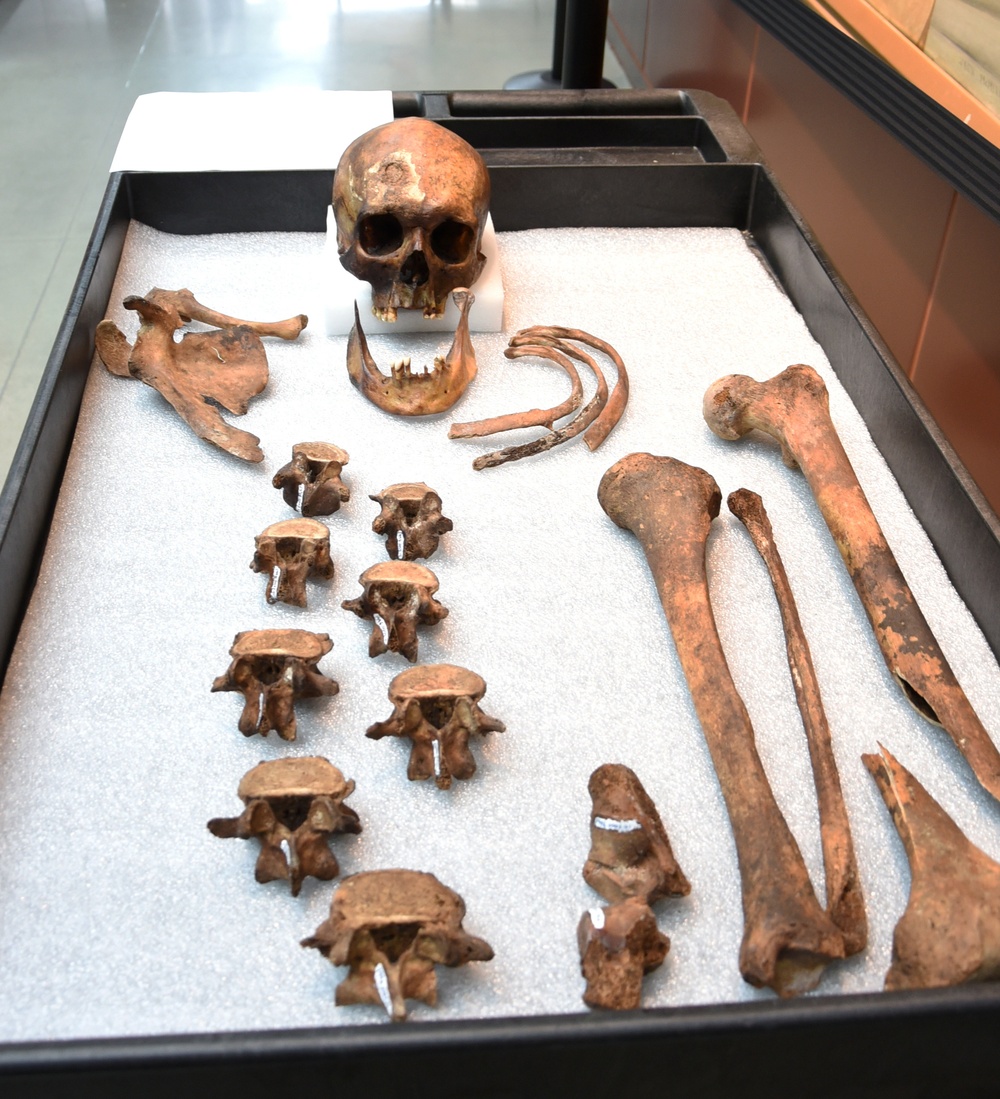
Paul Sledzik and Nicholas Bellantoni's 1994 paper describes a man's remains with rib lesions associated with tuberculosis and bones rearranged after decomposition. A historical account from the region helped connect those findings with local vampire beliefs.
The authors examined twelve accounts of people exhuming and disrupting bodies. They interpreted the practice as an attempt to stop deceased relatives from causing wasting illness among survivors. That interpretation concerns human actions, not an observed return from the dead.
There is a separate literary history. The Victoria and Albert Museum traces the influence of Bram Stoker's Dracula, published in 1897, through books, photographs and posters in its collections. Its examples include a mid-1990s AIDS-awareness poster, showing how the vampire image could carry ideas about contagion well beyond a horror novel.
These records answer different questions. The cemetery study addresses a particular burial practice and its likely cultural meaning. The museum material demonstrates the circulation and reuse of a fictional figure. Neither can establish supernatural biology, and combining the two does not transform beliefs or images into such evidence.
The Connecticut case is valuable precisely without that leap. It preserves a trace of how a community interpreted repeated illness and acted on that interpretation. Treating it merely as proof of a monster would replace a recoverable human history with the very explanation the research is trying to understand.