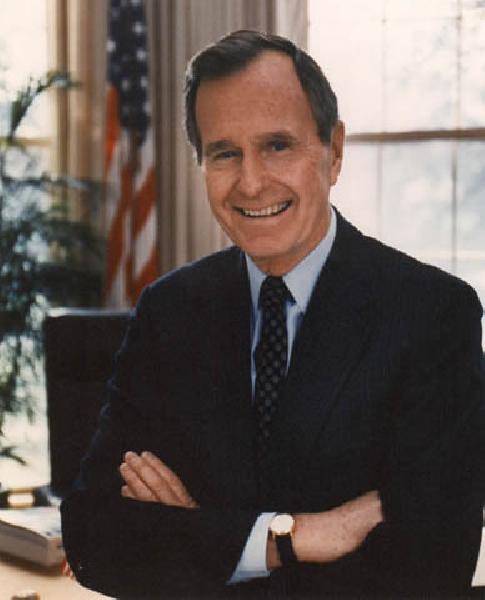
The phrase 'new world order' is not, on its own, evidence of a clandestine world government. A prominent historical use has a checkable context: President George H. W. Bush's September 11, 1990 address to Congress during the crisis following Iraq's invasion of Kuwait.
Bush described cooperation with the Soviet Union and other states against aggression. His stated objectives included Iraqi withdrawal and restoration of Kuwait's government. The speech presented an aspiration for international cooperation and the rule of law. It was a public policy argument, not a document transferring all national authority to an unnamed ruler.
The UN Charter also describes a more complicated arrangement than either absolute world control or complete powerlessness. Article 2 establishes sovereign equality among members. Article 25 commits members to accept and carry out Security Council decisions in accordance with the Charter. Sovereignty and international obligations appear within the same framework.
The Council's published voting rules further specify how decisions are made: nine affirmative votes are required, with an additional permanent-member condition for non-procedural matters. This allocates consequential authority to particular states; it does not describe a single official who can issue unrestricted global commands.
These arrangements can be criticised for unequal power, political bargaining or failures of collective action without inventing a secret constitution. Equally, describing the UN as merely a discussion club would ignore the obligations its Charter actually contains.
The crucial step in assessing the conspiracy claim is the alleged connection between a public phrase and hidden unlimited control. Neither Bush's speech nor the Charter establishes that connection. They document a particular diplomatic ambition and a treaty-based organisation with defined, politically contested powers.