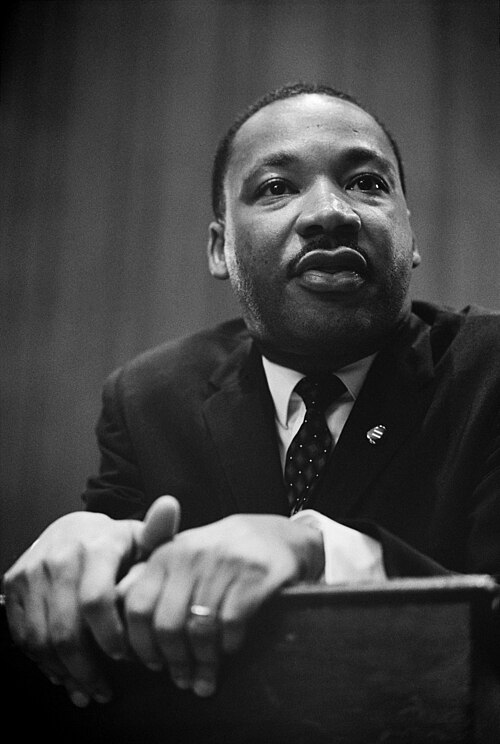
Accounts of Martin Luther King Jr.'s assassination become misleading when they either erase the 1999 civil verdict or describe it as an uncontested criminal finding against the US government. The proceedings and subsequent review reached different conclusions, on records that need to be distinguished.
The wrongful-death case King v. Jowers was brought on behalf of King's wife and children. Loyd Jowers was the sole defendant. The jury found that he and others, including government agencies, participated in a conspiracy. That was a civil finding, not a criminal conviction of a federal agency or named federal official.
The Justice Department's review rejected the allegations as unsupported. It said the trial omitted inconsistent accounts and contradictory information, and that claims of government direction relied heavily on uncorroborated secondhand or thirdhand reports. Firsthand observations suggesting surveillance did not, in its assessment, establish participation in the shooting.
The 1979 House inquiry identified James Earl Ray as King's assassin and found a likelihood of conspiracy. It examined a St. Louis solicitation to kill King and Ray's criminal associations, but acknowledged that it had obtained no direct evidence connecting that solicitation to the assassination. That qualified finding is not interchangeable with later allegations about Jowers or federal agents.
A proposal, association, surveillance activity and completed murder plot are different evidential propositions. Showing one does not automatically prove the others. Conversely, the Justice Department's rejection of the Jowers account does not make the jury verdict disappear from the historical record.
The civil verdict, federal review and congressional inquiry do not establish government direction as a settled fact. They document a civil finding, a critical federal reassessment and an earlier congressional conspiracy inquiry whose reasoning must be considered separately.