There was a real Illuminati society, and its ambitions were political. Denying that history is unnecessary to reject claims that it now controls governments, banks and popular culture. The important gap is between evidence for a particular eighteenth-century organisation and evidence for its supposed uninterrupted command of modern affairs.
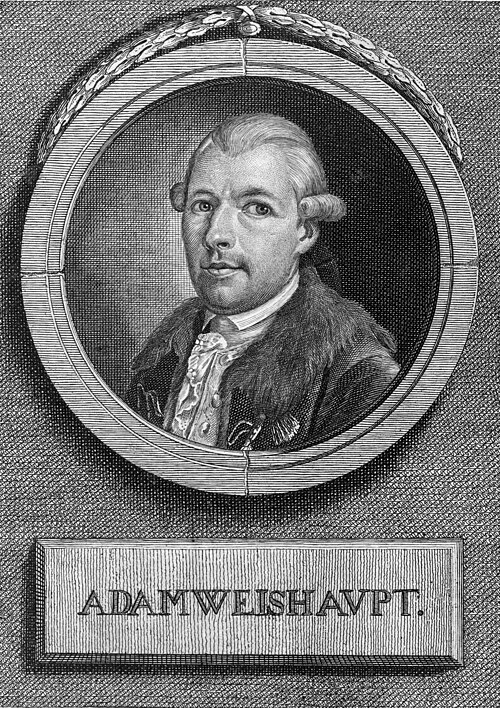
LMU Munich records that Adam Weishaupt and senior students founded the society in Ingolstadt in 1776. Initially called the Perfectibilists, it pursued radical Enlightenment aims. Its programme sought to develop men who could occupy key state positions and undermine the territorial princes.
The 1911 Encyclopaedia Britannica account adds organisational detail: members occupied ranks, owed obedience to superiors and developed links with Masonic lodges. It also records internal division and suppression by the Bavarian government in 1785. As an older historical reference, it is useful for the documented order; it is not evidence about the identity or activities of people in the twenty-first century.
Former members did not all disappear from public life. LMU records that former adherent Maximilian von Montgelas became chief minister in 1799, followed by rehabilitation of ex-members. Later individual influence, however, is not the same as continued obedience to the former society.
The distinction changes the question. A former member holding office, an institution sharing a symbol and a surviving command structure are three different propositions. The historical sources reviewed establish the first organisation and some later careers, but provide no chain of leadership, records or decisions connecting it to today's alleged global rulers.
The sound historical conclusion is therefore narrower than either sensational version: the Bavarian Illuminati was not imaginary, and its ambitions should not be minimised; modern world-control claims do not become established facts simply by borrowing its real name and history.