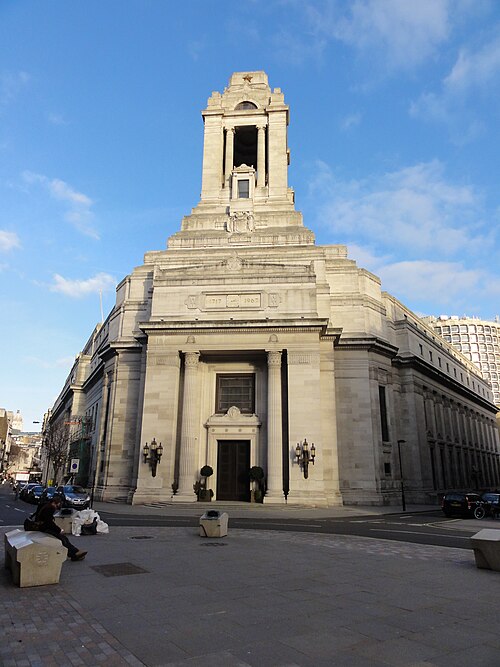
Freemasonry's existence and the possibility of influential members do not establish that it secretly commands governments. The useful question is more specific: whether a relationship affected an identifiable public decision, and what evidence shows that influence.
The United Grand Lodge of England describes its jurisdiction as England, Wales, the Channel Islands, the Isle of Man and overseas districts. Its account also identifies separate women's grand lodges. That is not a description of one organisation automatically directing every Mason everywhere.
Its history of the 1723 Constitutions discusses written rules, elections, majority decisions and a federal structure. This is the organisation's own interpretation of an important early document, not an independent certificate of political innocence. It establishes what institutional history UGLE presents; it cannot prove how every member has behaved.
A concrete public-accountability question appears in a House of Lords written answer dated July 23, 2018. Asked when peers should declare Masonic membership, the Senior Deputy Speaker pointed to the relevance of an interest to the matter under discussion and whether a reasonable observer might expect it to influence parliamentary action. The answer described a case-by-case assessment.
That historical response neither imposed a blanket declaration in every debate nor said membership could never matter. It treated the issue as one of relevant interests and disclosure. This is a more precise framework than assuming either universal corruption or universal harmlessness from membership alone.
An allegation of improper influence therefore needs evidence about people, decisions and undisclosed relationships. Neither UGLE's institutional history nor the parliamentary disclosure answer establishes government-wide Masonic control. They support scrutiny of particular conflicts while keeping that scrutiny separate from an unsupported claim of a single hidden command.