A real Gates Foundation-funded research project is not evidence that COVID-19 vaccines contain tracking chips. The relevant MIT experiment, announced on December 18, 2019, proposed storing vaccination history as a pattern of dye beneath the skin.
The system used quantum dots delivered by a microneedle patch. A specially adapted smartphone could read the pattern optically. Reported tests involved human cadaver skin and rats; MIT's explanatory note says the method remains experimental and is not used in current vaccinations, including COVID-19 vaccines.
An optical signal read during examination is not, on that account, a device broadcasting someone's location. The experimental design describes a vaccination record, not a covert communications network. Funding attribution establishes support for research, not deployment in vaccine supplies.
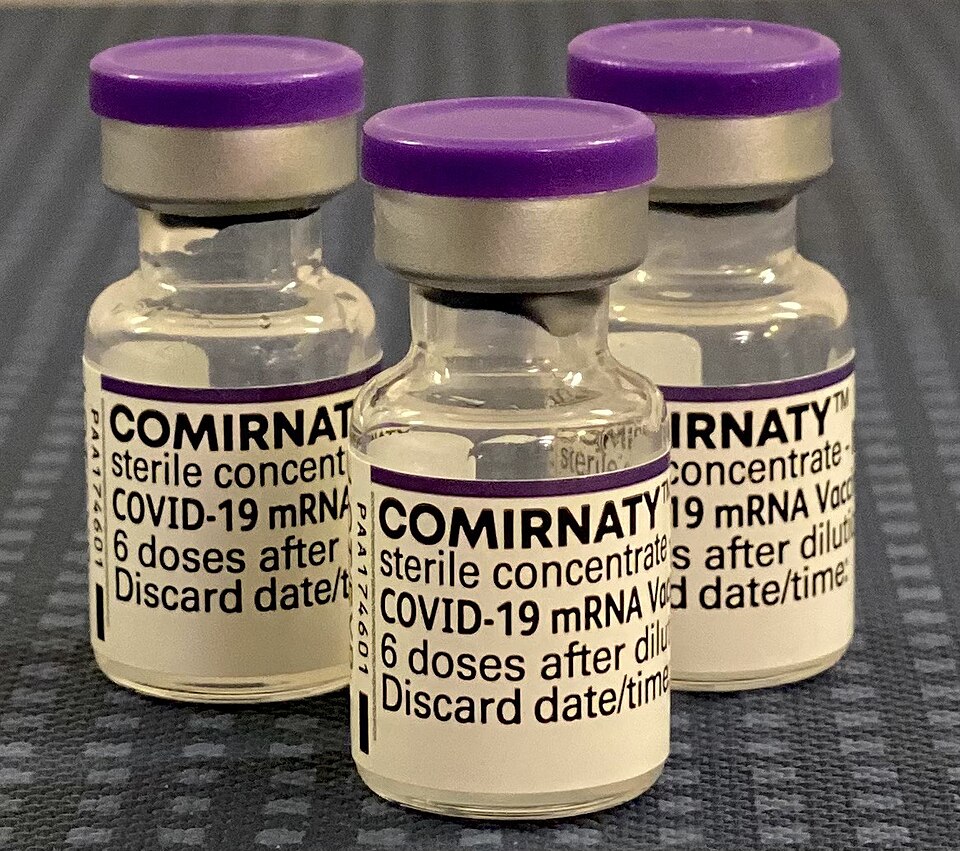
A separate document addresses a particular licensed product. The FDA-hosted Comirnaty prescribing information lists messenger RNA, specified lipids, tromethamine compounds and sucrose. Its explanation of lipid particles concerns delivery of RNA into cells. It does not list a microchip or the MIT quantum-dot system.
An ingredient list for Comirnaty should not be stretched into a laboratory inspection of every vaccine worldwide. Equally, a proposed record-keeping experiment cannot be treated as an ingredient list for Comirnaty. Conflating the two skips the evidence needed to establish that a named technology entered a named product.
Medical-record privacy and informed consent remain legitimate questions for any proposed recording system. They do not convert an experimental optical marker into proof of secret tracking. These documents support a concrete distinction between a research proposal, a vaccine formulation and the unsupported allegation connecting them.