The claim that the City of London and Vatican City form a hidden world command depends on treating different institutions as if they were branches of one organisation. Their published governance arrangements instead describe different territories, offices and sources of authority.
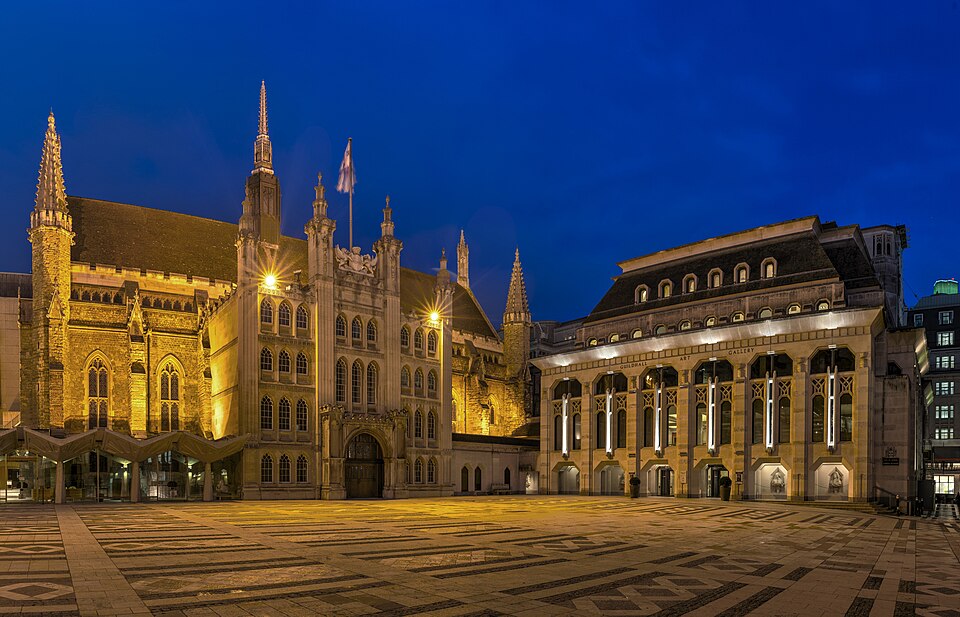
The City of London Corporation identifies itself as the governing body of the Square Mile. Its committee system centres on the Court of Common Council. Its organisational account places staff under the Town Clerk and Chief Executive, working under the policy guidance of that court and the Policy and Resources Committee.
These are identifiable municipal decision-making arrangements. The word 'corporation' does not, by itself, establish a parent company with ownership of Britain or other states. A claim about control needs to show what authority is being exercised, over which institution, and through which legal or financial relationship.
Vatican City has a different origin. Its official history dates its creation to the Lateran Treaty signed by the Holy See and Italy on February 11, 1929. The stated purpose was to secure the Holy See's independence. The same history identifies the pope as head of state with legislative, executive and judicial authority.
That is evidence about the Vatican's own governmental structure, not a grant of power over London's corporation. Nor does the international role of the Holy See turn every religious or diplomatic relationship into a chain of command over another government.
Questions about finance, lobbying and accountability concern identifiable decisions and relationships. The much larger allegation of a shared world-control structure requires evidence connecting those decisions to a common authority. The two institutions' governance arrangements describe distinct systems, not branches of that alleged command.