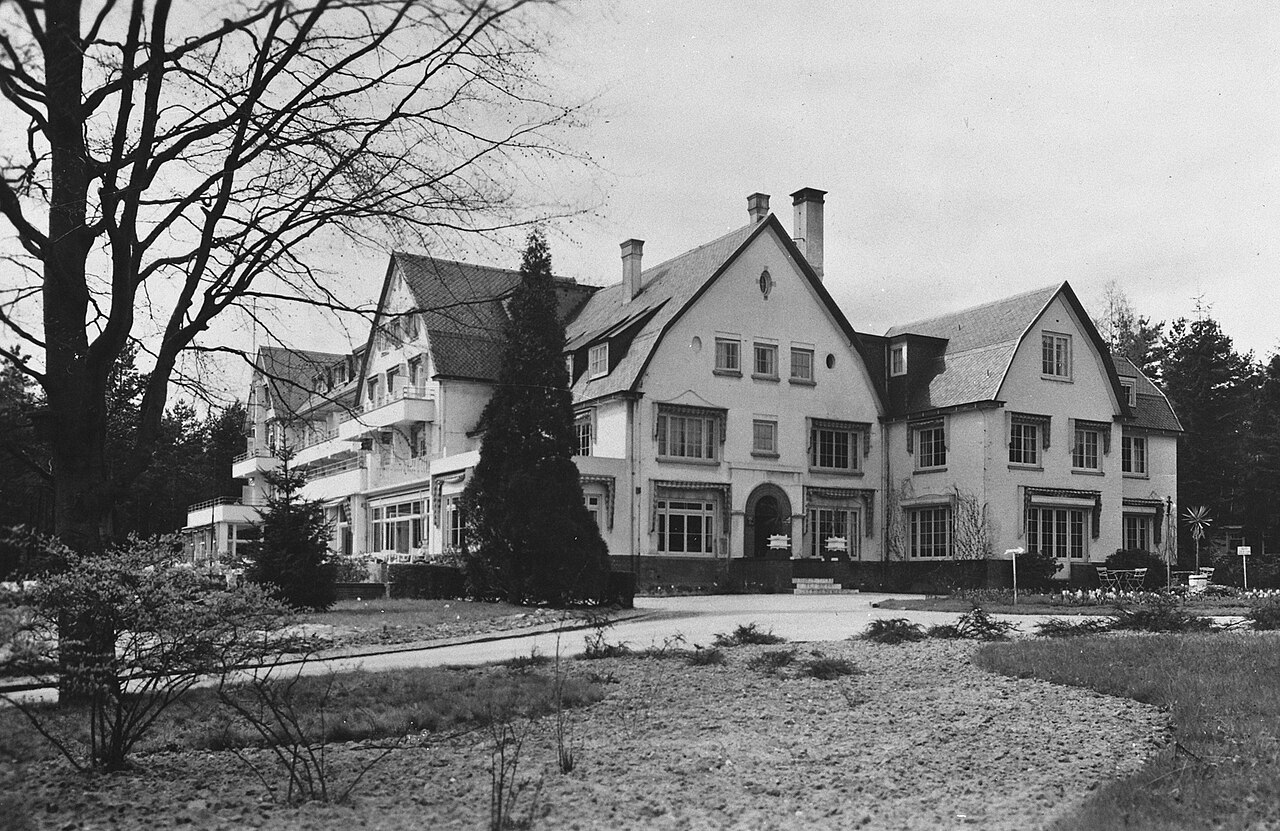
Bilderberg is a real, invitation-only forum involving influential people. The gap between public knowledge of who is invited and private knowledge of what each person says is a legitimate transparency issue. It is not, on its own, evidence that participants form a government with power to issue binding instructions to states.
The organisers date the first meeting to 1954 and describe a forum intended to encourage dialogue between Europe and North America. Their website says roughly 130 people from politics, business and other fields are invited each year. These are the organisers' descriptions of the institution, not an independent audit of everything discussed behind closed doors.
Their FAQ states that invitations are curated by a steering committee and that there is no open application process. It also distinguishes journalists attending personally from journalists admitted to report the proceedings: the latter are not accredited. Participants and topics are published, but those disclosures are not equivalent to a transcript of exchanges or an account of subsequent private contacts.
The Chatham House Rule explains part of this distinction. Chatham House says people may use information from a meeting held under the rule without identifying the speakers or their affiliations. The information is not automatically unusable; its attribution is restricted. The rule can be adopted by many organisations and does not mean an event is run by Chatham House.
Nor is the rule a source of governmental power. Chatham House describes it as not legally binding and says enforcement outside its own events is for the organiser to decide. It is a convention for discussion, not a treaty or mechanism transferring authority from elected institutions to conference guests.
Bilderberg's organisers also say the meetings do not vote or issue resolutions. That statement can be reported with attribution without pretending it settles every question about informal influence. The unresolved public-interest question is how privileged access affects later decisions. Establishing that influence would require evidence connecting particular conversations, participants and actions. A participant list documents access; a confidentiality rule documents limits on reporting. Neither, separately or together, demonstrates the much larger claim of a single private world government.