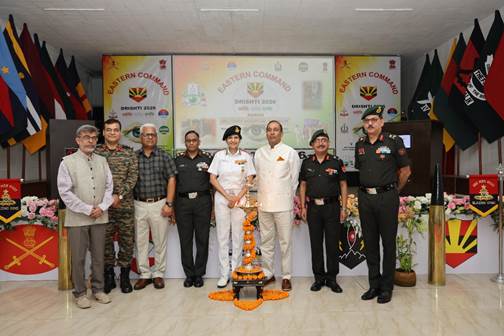
An Army eye-care camp at Namkum in Ranchi was scheduled for June 15-19, 2026, with free advanced treatment planned for more than 200 beneficiaries. The Defence Ministry's June 16 account identified veterans, dependants and underserved civilians among those being assessed.
The services included cataract phacoemulsification, minimally invasive glaucoma surgery and anti-VEGF treatment for vitreoretinal disease. These are not interchangeable ways of treating a single condition.
The National Eye Institute explains that cataract surgery removes an eye's clouded lens and replaces it with an artificial one. The aim is to address the obstruction to clear vision caused by that lens.
Glaucoma treatment has a different purpose. Surgery lowers pressure inside the eye to help protect sight; it cannot reverse vision already lost from glaucoma. That distinction is important when describing an eye camp as restoring vision, because not every procedure has restoration as its clinical objective.
Screening determines which condition and treatment pathway apply to an individual patient. Follow-up remains part of care after surgery, including checks on healing or eye pressure.