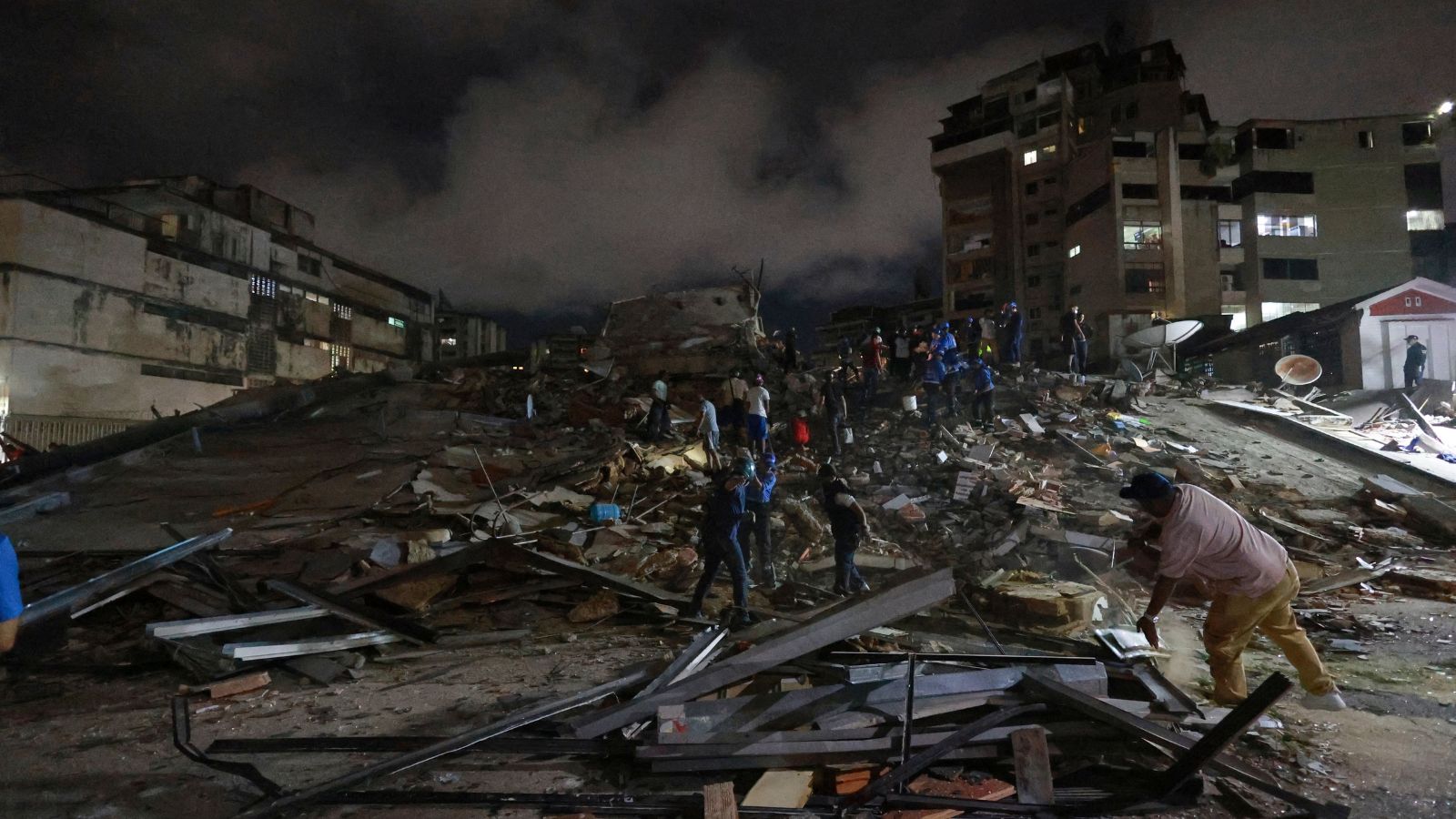
Within hours, several prominent opposition leaders were in jail, newspapers had their electricity supply cut, and the largest democracy in the world learned how, in a matter of hours, a constitutional government could be taken over by power-hungry leaders.
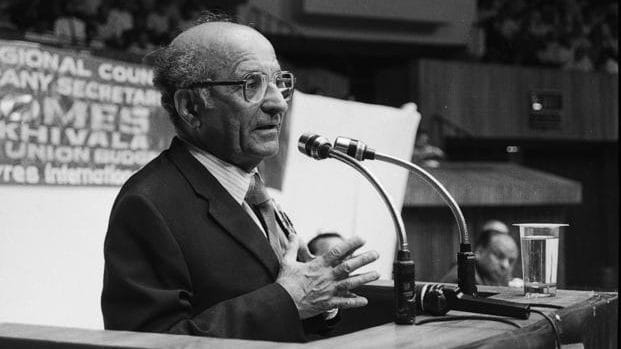
Nanabhoy “Nani” Ardeshir Palkhivala, who watched as the events unfolded, later made a claim that should unsettle everyone: Indians feared their own government more during those 21 months of the Emergency than at any point in time in the preceding two centuries of the British Raj.
The turbulent period shaped how the Constitution operates in practice, and how its underlying ethos is understood and contested, while exposing the inherent dangers of concentrated and extraordinary state power.
Conceived as safeguards for moments of crisis, the emergency provisions were borrowed from Germany’s Weimar Constitution, which Adolf Hitler abused in the interwar years.
The emergency exposed the constitutional vulnerabilities of a newly formed republic.