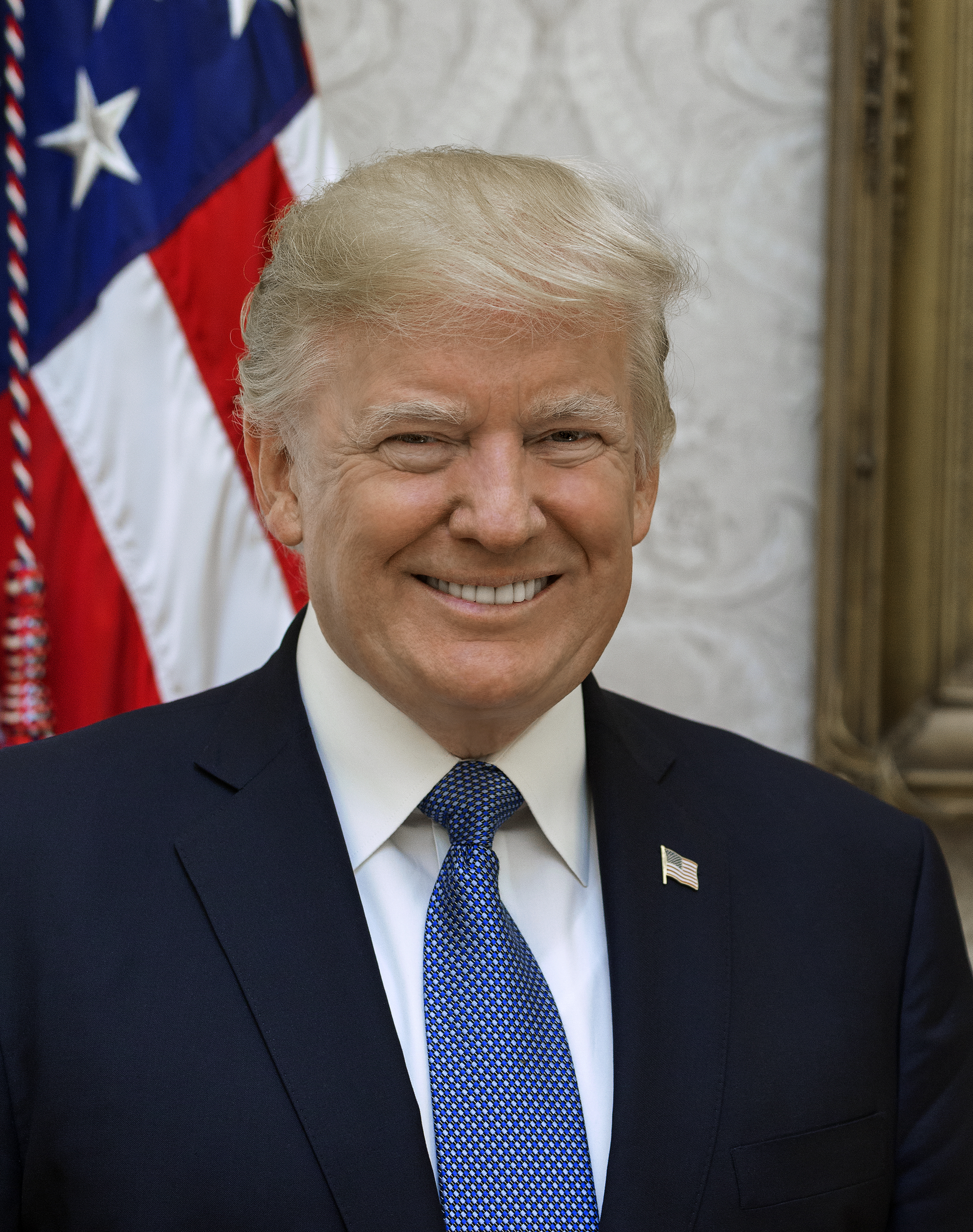
US President Donald Trump said on September 14, 2026, that Russia and Ukraine had agreed to stop attacking each other's energy targets. His social-media statement also blamed the Russia-Ukraine war, rather than Iran, for rising diesel prices. Ukraine's response that evening described a proposal requiring Russian commitments, not an unconditional acceptance of the arrangement Trump had announced. Reuters reported the exchange and Kyiv's reservations on the same day.
In his September 14 address, President Volodymyr Zelenskyy said Ukraine could support a mutual halt to attacks on critical infrastructure as a first step towards de-escalation. He asked Washington to establish that Russia was genuinely prepared to stop its attacks for the long term. He also wanted energy facilities, food routes and other critical infrastructure included in discussions, and called for specific details from partners rather than an arrangement tied only to elections.
The facilities at stake served different functions in the two countries. Reuters reported that repeated Russian attacks had damaged Ukraine's heating and electricity networks, disrupting industry and civilian life. Ukrainian strikes had concentrated on Russian industrial facilities, especially the oil sector, and contributed to petrol shortages in Russian regions. These campaigns had made energy infrastructure a negotiating issue affecting household services in Ukraine and fuel supplies inside Russia.
On September 15, Zelenskyy said Russian attacks continued and Ukraine had struck the Syzran refinery in response, AP reported. Kremlin spokesman Dmitry Peskov welcomed the proposed energy pause but argued that global fuel-supply problems required safe tanker navigation and sanctions relief. Those Russian remarks addressed petroleum exports as well as refinery attacks, while Kyiv continued to demand protection for its critical infrastructure.