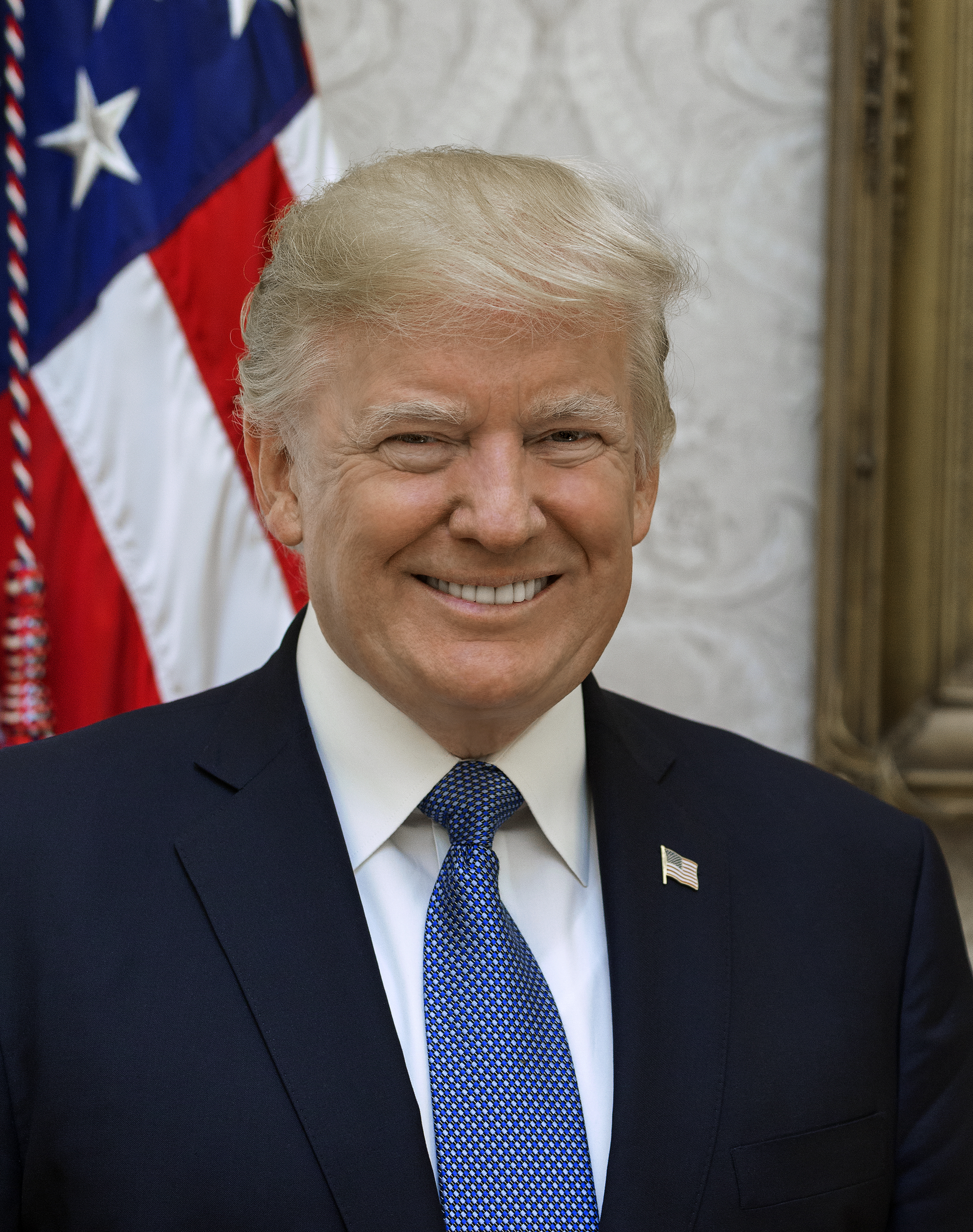
US President Donald Trump defended his administration's Iran policy at the UN General Assembly in New York on September 22, 2026. Akashvani reported his appeal for other countries to maintain economic pressure, while the White House's published account reiterated his position that Iran must not obtain a nuclear weapon.
Trump coupled his account of military action with a call for economic pressure, making sanctions cooperation a second strand of the administration's Iran policy.
The economic part of that policy has a separate institutional basis. The Treasury's Office of Foreign Assets Control explains that its Iran programme implements multiple statutes and executive orders through regulations. Its materials distinguish restrictions from licences authorising specified activity.
That structure matters when reading a demand for complete isolation. A political appeal expresses the desired direction of pressure; the operative rules identify which transactions are prohibited, which parties are covered and whether an authorisation applies. A UN address is not itself a new sanctions regulation.
OFAC also distinguishes general licences, which authorise described categories of activity without an individual application, from specific licences for particular otherwise-prohibited transactions. The existence of those mechanisms makes the legal framework more precise than the broad rhetoric used in a speech.