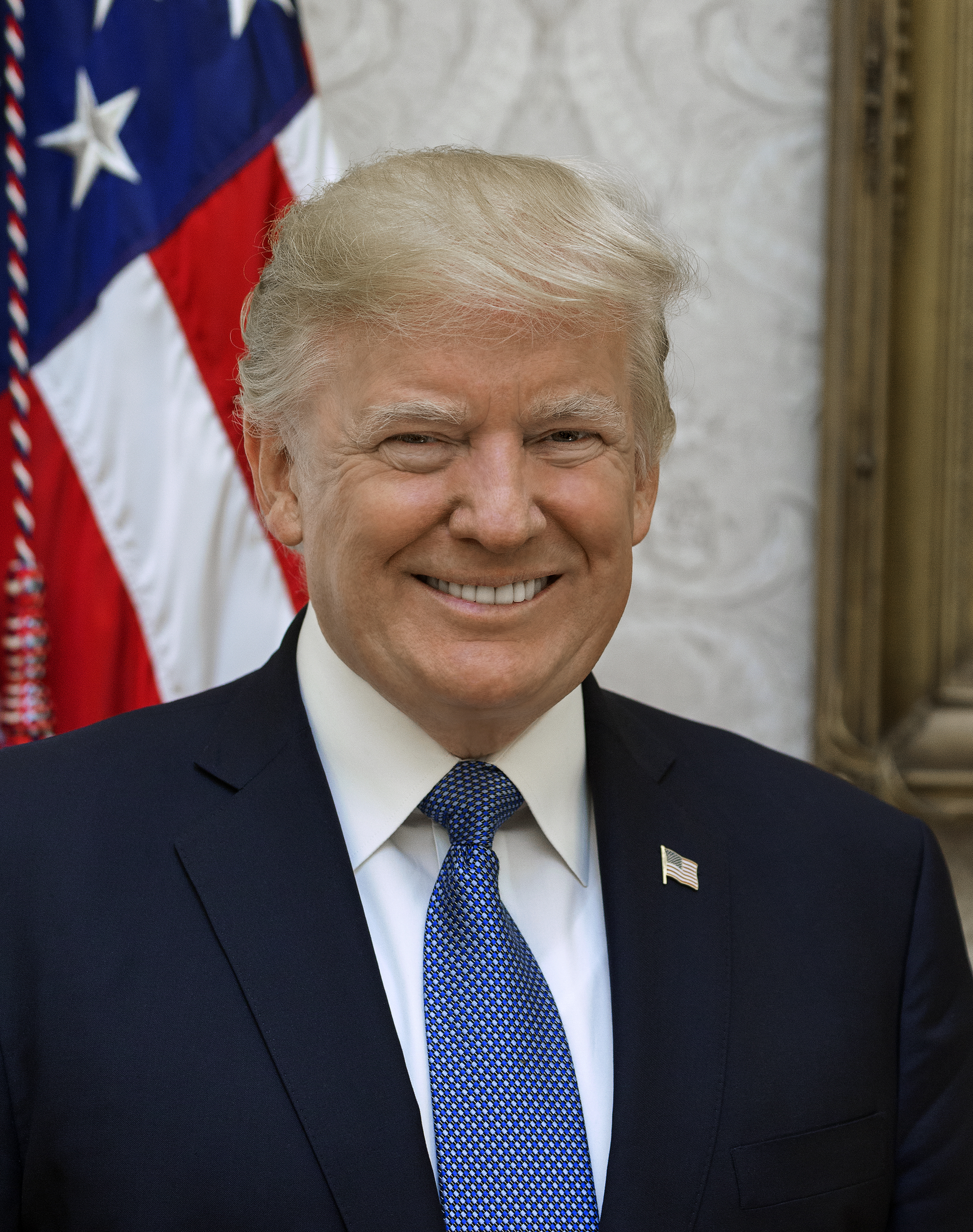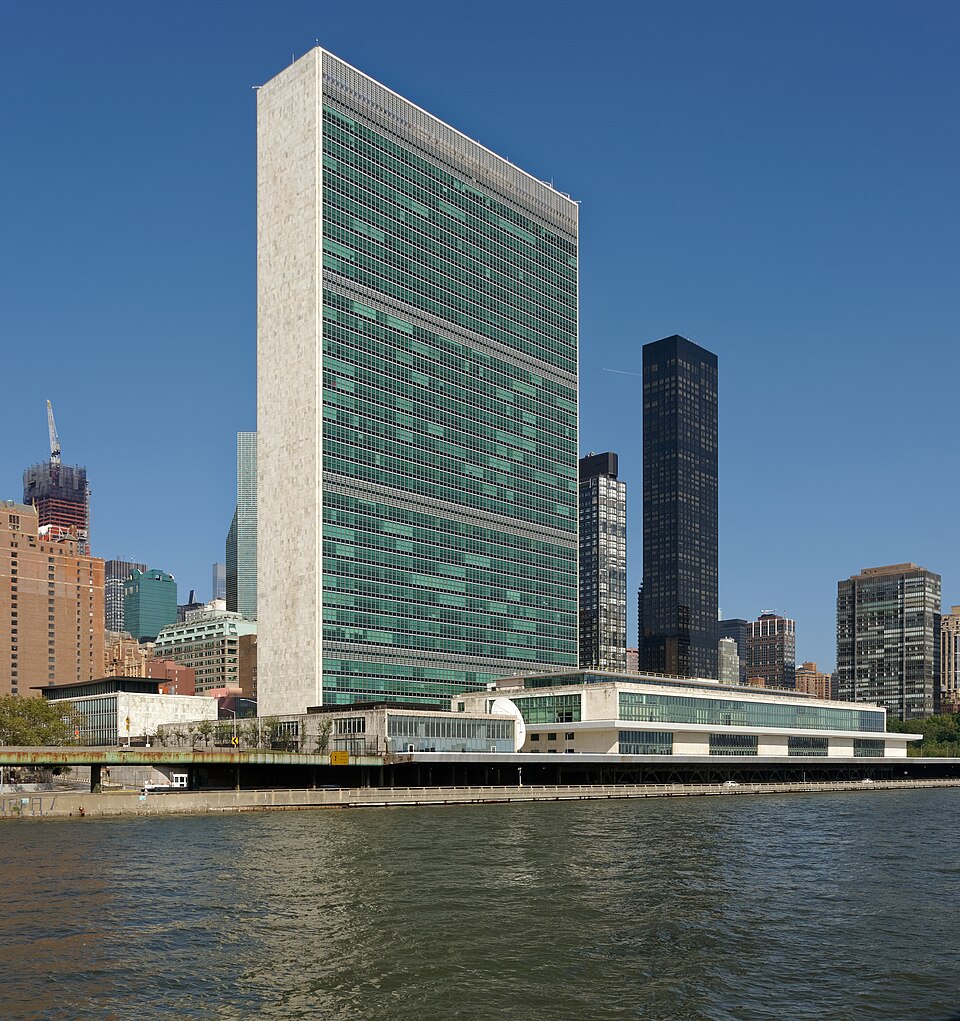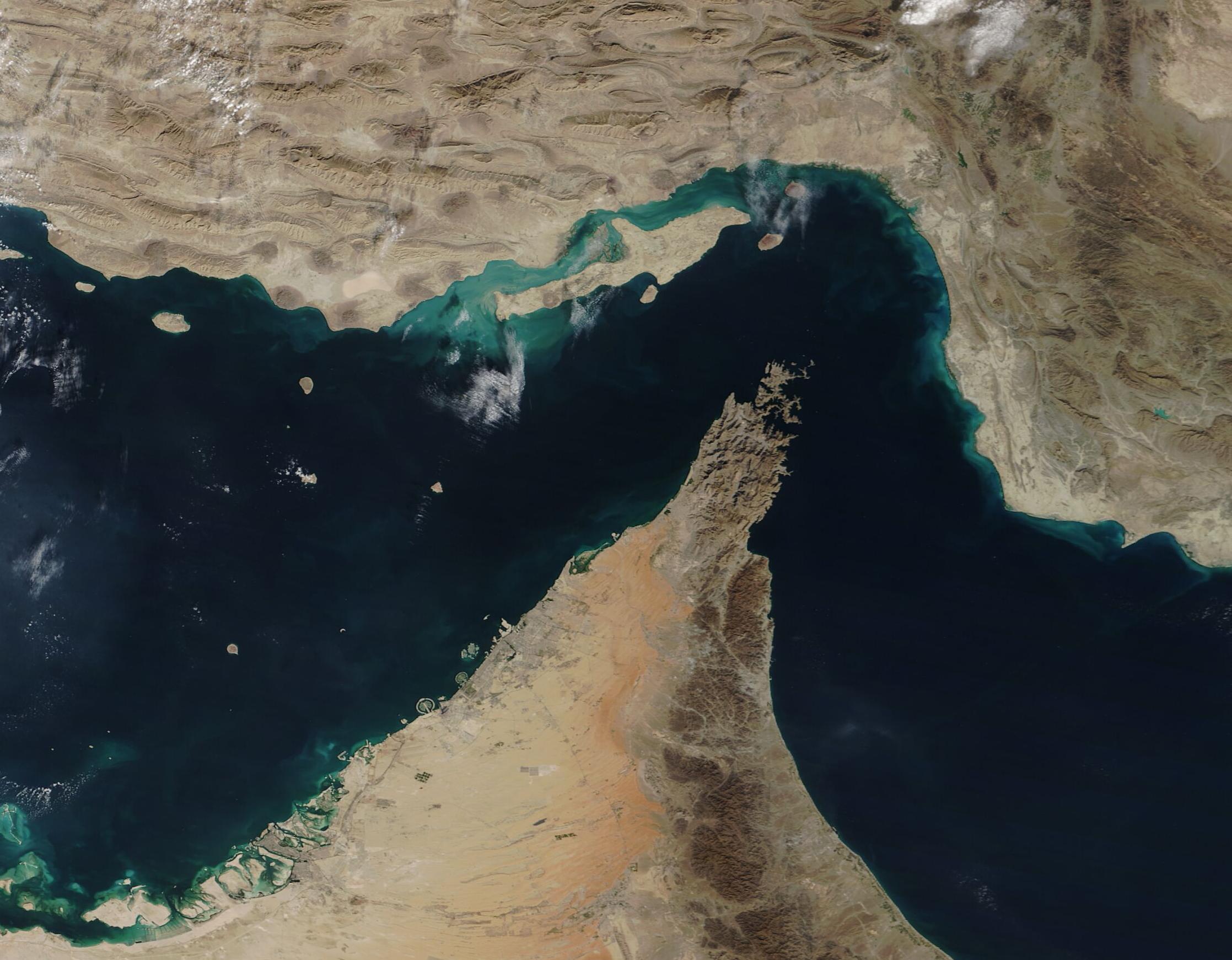
US President Donald Trump said on September 26, 2026, that he had rejected Iran's proposal to reopen the Strait of Hormuz and end regional fighting. Speaking to reporters at the White House before travelling to Tennessee, he argued that economic pressure was driving Tehran's request. Iran had presented the initiative during the United Nations General Assembly in New York and said it was conveyed through Qatari mediators.
Iranian Foreign Minister Abbas Araghchi had told reporters the previous day that agreement would start a seven-day countdown to reopening the waterway and pausing hostilities, Reuters reported. Wider negotiations could then address subjects agreed by both sides. President Masoud Pezeshkian separately told CBS that Iran was ready to discuss its nuclear programme and other issues but would not accept coercion, while Trump maintained that Tehran must not acquire a nuclear weapon.
Separately, Iraq said on September 26 that it was negotiating directly with Washington for exemptions affecting some Iraqi airports. Prime Minister Ali Al Zaidi's office said the objective was to restore Iranian-airline services for medical treatment, education, religious visits and other civilian needs. The request followed suspensions affecting Iranian carriers in Iraq and other regional countries as companies faced US pressure over dealings with those airlines.
The disruption had reached Najaf, a major destination for pilgrims visiting the shrine of Imam Ali. Iran's Civil Aviation Organisation said ticket sales to Najaf had stopped, The National reported. Flights to Baghdad had already been suspended on September 23; Iranian state media had initially indicated that Najaf would remain available. Its subsequent closure removed that alternative as Baghdad sought permission to restore selected air connections on humanitarian grounds.