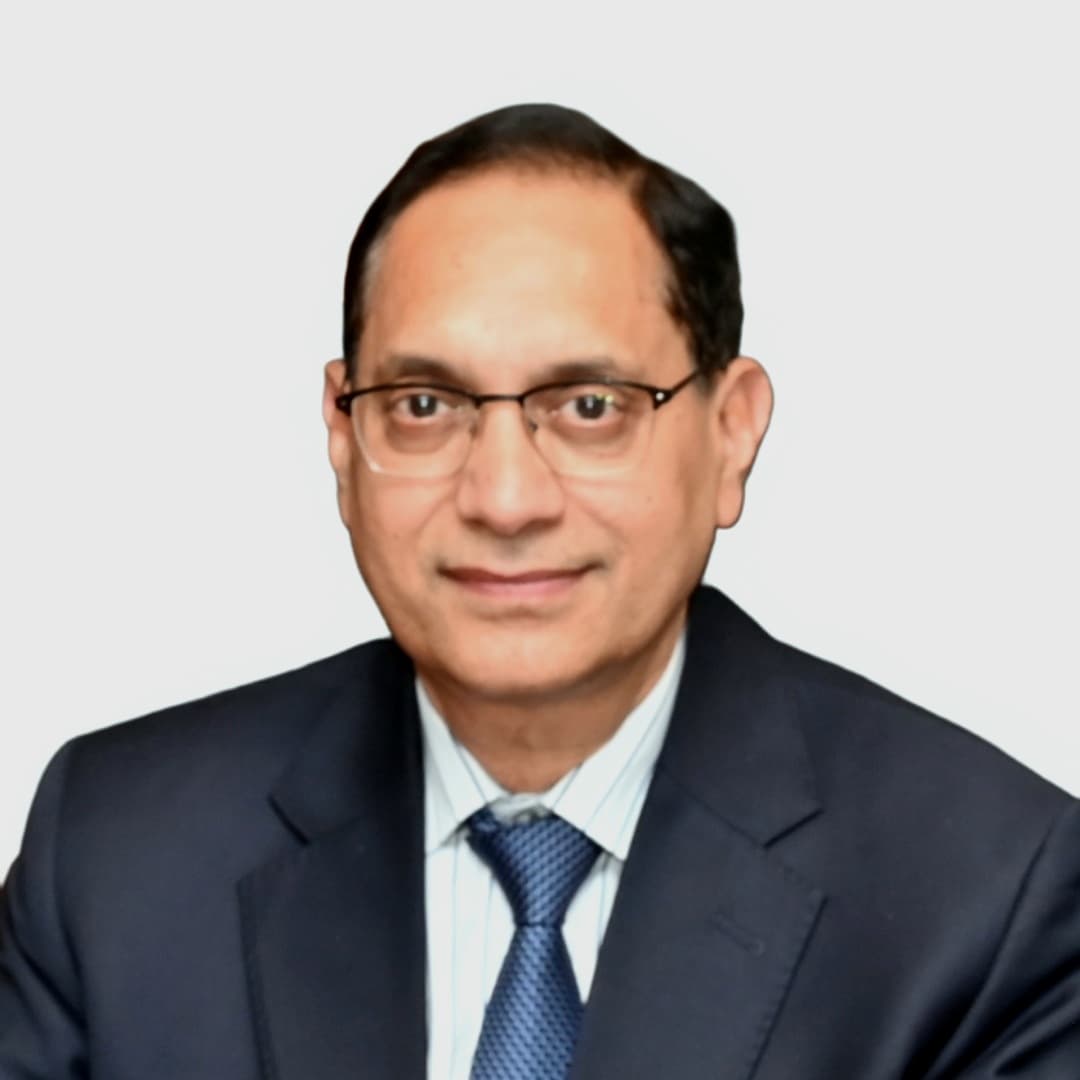
Commerce Minister Piyush Goyal argued at the G20 trade ministers' meeting in Milwaukee that legitimate measures to protect food security should not automatically be characterised as using food for political pressure. Akashvani reported his call to keep food trade a source of stability and cooperation.
On the meeting's sidelines, Goyal and European Trade Commissioner Maros Sefcovic reviewed progress towards signing and bringing the India-EU free trade agreement into force.
The European Commission's September 11 summary illustrates how a trade-opening agreement can retain agricultural protections. It says existing EU tariffs would remain on sensitive products including rice, sugar and milk powders, while some other products would receive limited import access.
The summary also provides for a bilateral safeguard mechanism. Market opening therefore operates through product-specific terms and protective provisions rather than a single promise to remove every restriction.
This is relevant to the distinction Goyal drew: a measure protecting a sensitive sector and a measure intended to exert geopolitical pressure are not the same policy claim. Their design and operation matter more than the presence of a restriction alone.
The agreement had completed negotiations in January 2026, and the Commission submitted its signature and conclusion proposals in September. Its published sequence still required Council action, signature, parliamentary consent and conclusion on the EU side, as well as Indian ratification before entry into force.