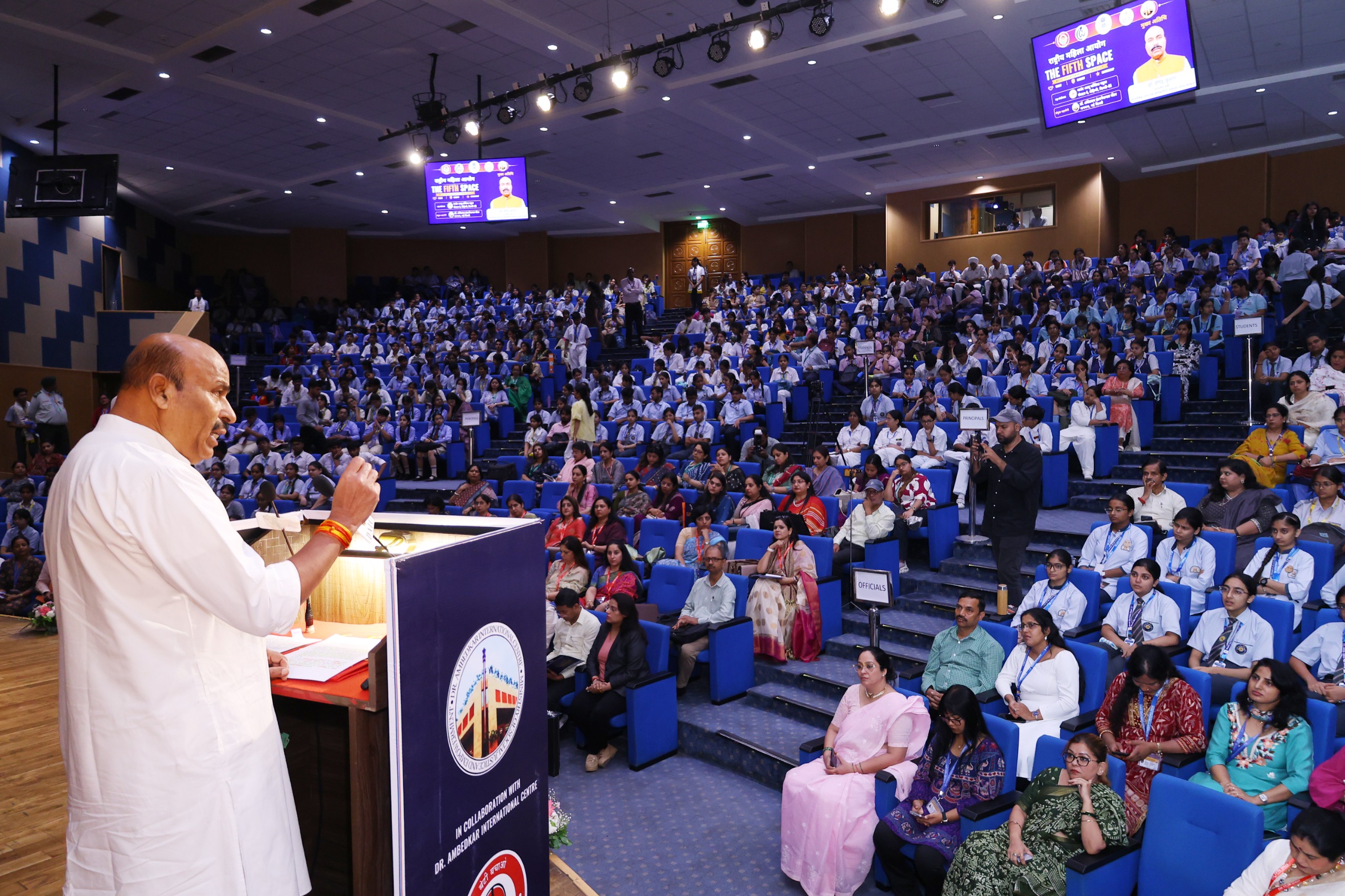
Students met Social Justice Minister Virendra Kumar at Delhi's Dr Ambedkar International Centre on August 24, 2026 for the Fifth Space programme. Its organisers included the National Commission for Women, the centre, UNESCO New Delhi and Mount Abu Public School.
The discussion linked education with the overlapping influences of home, school, society and digital life. Kumar urged adults to listen to young people and understand their experiences rather than respond to technology use only with criticism.
That approach has a concrete educational counterpart in UNESCO's media and information literacy framework. It distinguishes examining content, understanding the institutions distributing it and using digital technologies. Its curriculum addresses misinformation, online privacy and digital citizenship together.
These are different tasks. A pupil can operate an app yet still need help judging a message's credibility or recognising what personal information an interaction exposes. Equally, an adult's knowledge of schoolwork does not automatically reveal what a child encounters online.
Home and school therefore have complementary roles: families encounter children's everyday media habits, while classrooms offer a setting to examine content and discuss how information reaches an audience. Listening to pupils can connect those two perspectives.