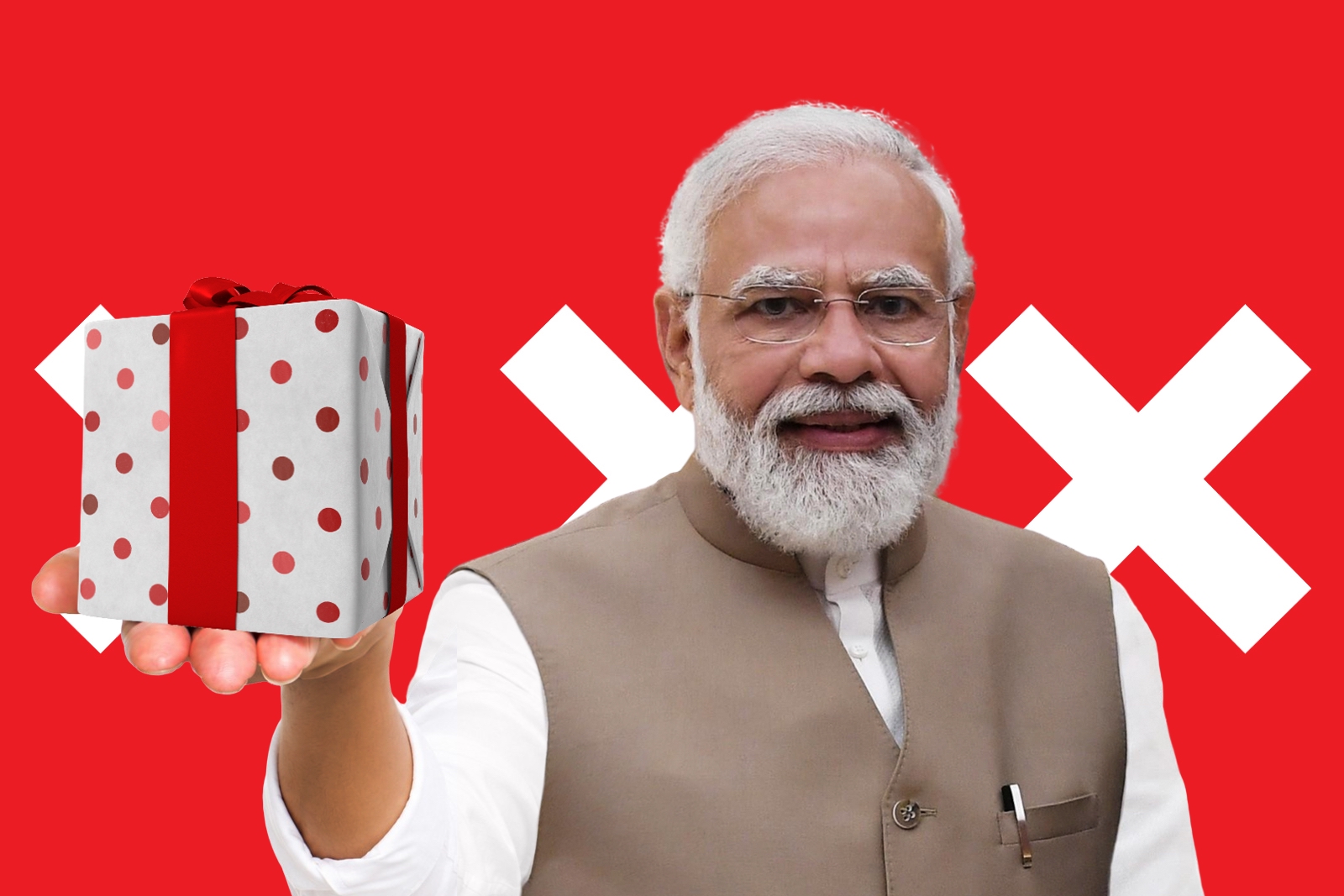
The Dangerous Rise of Freebie Politics in India is among the main developments being tracked today. India’s state elections are increasingly dominated by welfare promises and cash transfers that critics argue function less as social protection and more as electoral currency, raising concerns about vote-buying, democratic integrity, and the politicization of poverty.
The phase-wise elections to the legislative assemblies of Tamil Nadu and West Bengal were held between April and May, with polling conducted across multiple rounds before results were announced on May 4.
Nearly 68 million voters participated in elections for 294 constituencies in West Bengal, where the first phase recorded a remarkable 92.25 percent turnout.
Likewise, around 57 million voters cast ballots in Tamil Nadu, with women accounting for more than half of the electorate and overall turnout reaching 85 percent.
However, the controversial removal of 9.1 million voters from West Bengal’s electoral rolls raised questions about the credibility of the electoral process.
At the same time, the growing use of welfare schemes as campaign tools by political parties emerged as a significant factor shaping electoral politics in India.
For Indian political coverage, the most important question is whether the development changes governance priorities, party strategy, parliamentary work, electoral positioning or the public record around a policy decision.
The immediate importance of the story depends on verified public details, named institutions, official records and follow-up statements that clarify timing, scale and impact. NewsLive24 treats automated daily publishing as an early public-interest report and keeps the article open for later editorial expansion.
The next useful updates will usually come through formal notices, direct statements, court or regulator records, market filings, election authorities, multilateral agencies or on-ground reporting. Readers should treat fast-moving claims carefully until those records are available.
The newsroom will update the report if later documents, photographs, verified field reports or official clarifications materially change the story.