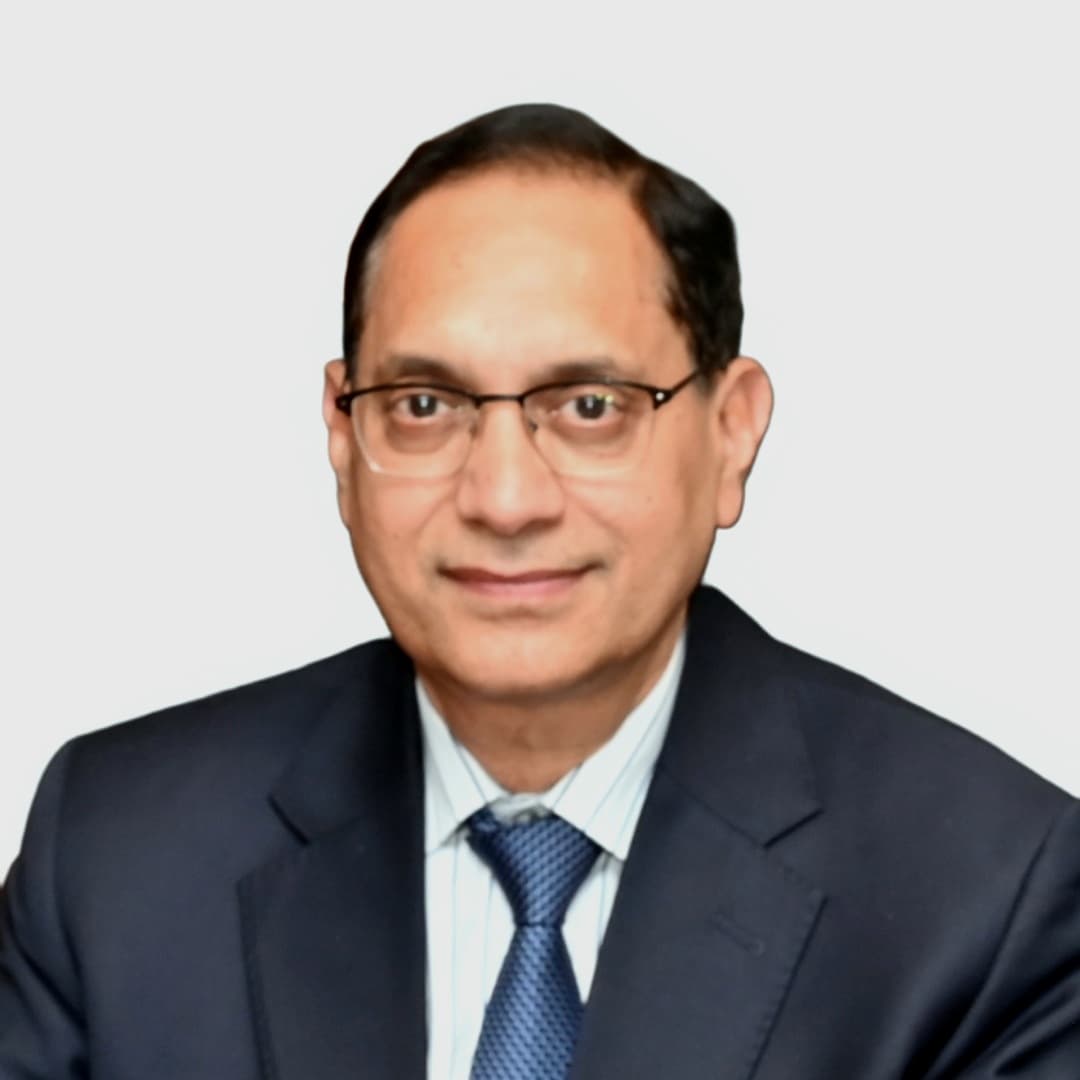
SEBI chairman Tuhin Kanta Pandey told the J.P. Morgan India Conference on September 22, 2026 that Indian companies had raised around Rs600 billion through IPOs in the financial year so far. About 55% represented fresh capital for companies, he said, placing fundraising alongside market access and corporate-bond development in his reform agenda.
Pandey put outstanding corporate bonds at about Rs61 trillion, compared with Rs20 trillion in 2015-16, and said more than Rs4.3 trillion had been raised through bonds in 2026-27. He also reported around 149 million unique securities-market investors. Mutual-fund assets were put at Rs87 trillion against Rs37 trillion five years earlier, a rise to roughly 2.35 times the earlier level.
On foreign-investor access, he said about 205 FPIs had used SWAGAT-FI since June 1. He described digital onboarding and acceptance of digitally signed powers of attorney among the measures reducing paperwork.
The Demat 2.0 pilot cited in the speech had already produced three tokenised bond issues, according to SEBI's September 10 release: REC raised Rs500 crore on September 7, while L&T raised Rs500 crore and IIFL Rs25 crore on September 9. The pilot connects depository-maintained ownership records with the RBI's wholesale digital rupee for simultaneous securities-and-money settlement. Later phases were intended to cover secondary trading through RFQ platforms and retail access.
In a subsequent development on October 7, SEBI issued its Credit Risk-o-Meter circular, taking one proposal mentioned in the speech into a mandatory framework effective after 45 days. It requires the disclosure in offering documents, advertisements and online bond-platform interfaces. Where several ratings exist, the meter must use the lowest. Platforms must update it within 24 hours of receiving rating-change intimation from NSDL or CDSL and cannot manually override classifications. This archive account was revised on October 12, 2026.