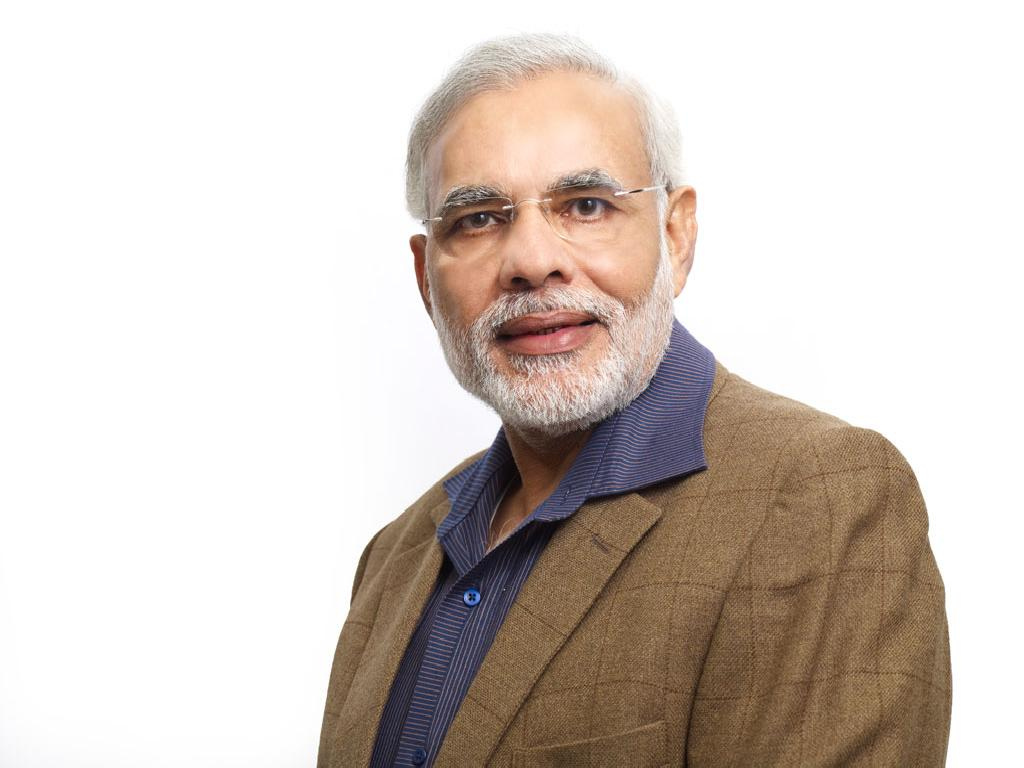
Defence Minister Rajnath Singh called for military capability and diplomacy to work together in an address in New Delhi on September 24, 2026. He argued that preparedness without diplomatic engagement could heighten confrontation, while diplomacy unsupported by capability could weaken India's position.
The Defence Ministry's account places cyberattacks, drones, disinformation and threats to energy supply alongside conventional military dangers. This expands the subject beyond the defence of geographical boundaries to systems on which civilian and military activity depend.
An earlier ministry document gives institutional detail to that approach. Released on September 3, RAKSHA outlines a ten-year defence-diplomacy framework built around strategic partnerships, training and joint exercises, indigenous defence exports, and maritime security.
Those strands use defence capacity in different ways. Joint training develops working relationships between forces; exports concern the supply of equipment; maritime cooperation concerns security across shared sea routes. Diplomatic engagement can connect them without making them identical commitments.
The framework also links domestic production to external partnerships. Building equipment in India is presented not only as a way to supply Indian forces but also as a basis for relationships with overseas customers. Training and exchanges provide another route to cooperation that does not depend on an equipment sale.
Read alongside that framework, Singh's speech describes a security policy in which capability supports engagement and engagement creates opportunities to use and develop capability. Its wider conception of threats also places economic and energy resilience within the defence discussion.