Protest Tourism vs. Political Reality: The Anatomy of a Flop Show is among the main developments being tracked today. Explore how Abhijit Dipke’s much-hyped Cockroach Janta Party protest at Jantar Mantar fizzled out, revealing the gap between social media activism and India’s political reality, student apathy over exam leaks, and the limits of ‘protest tourism’ in changing elected governments.
On Sunday, a day after he left Delhi for his hometown in Maharashtra Abhijit Dipke, the newly arrived leader of the Cockroach Janta Party (CJP), warned of more protests across the country if his demands were not met.
In social media posts as well as statements to journalists, he said that, “I just want to say that yesterday (Saturday) was a trailer…over the coming days, we will expand this through protests across different locations in the country...Dharmendra Pradhan ji, there is still some time, resign…you have spoilt the future...
Saturday was not the start Dipke, who returned home from the US in the morning, and his fledgling outfit had hoped for.
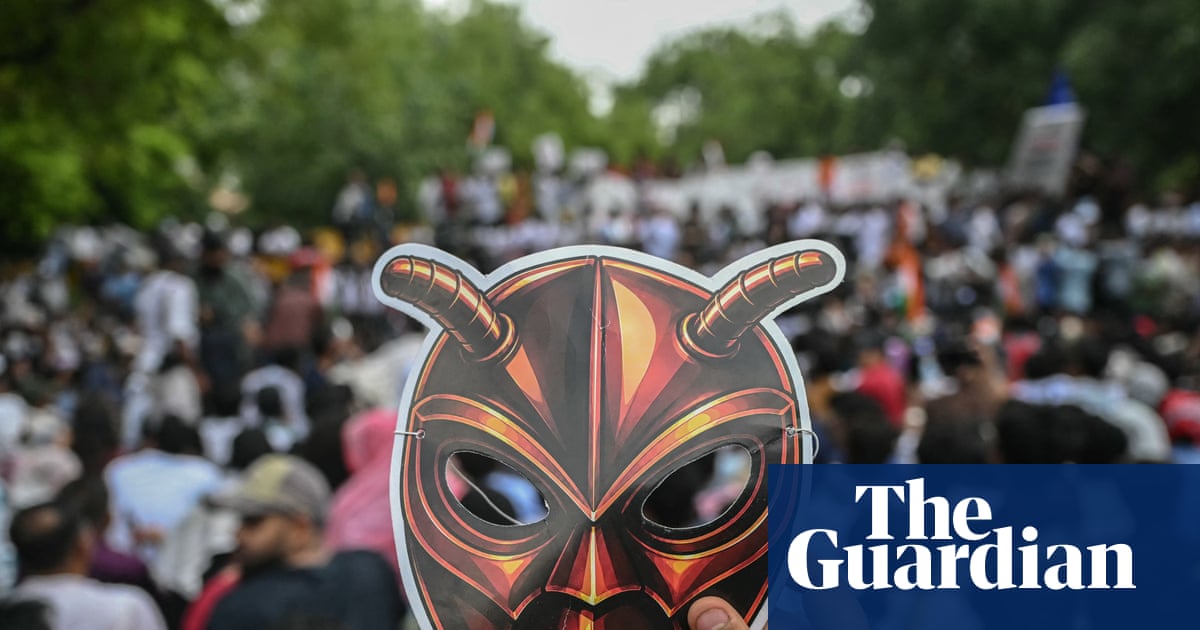
Arriving at Jantar Mantar, the “national protest place” in New Delhi, he found just a couple of hundred “protestors” at the site.
For a party that managed to gather millions of followers on social media platforms within days of its formation, this was a rude awakening for the student from Boston.
For Indian political coverage, the most important question is whether the development changes governance priorities, party strategy, parliamentary work, electoral positioning or the public record around a policy decision.
The immediate importance of the story depends on verified public details, named institutions, official records and follow-up statements that clarify timing, scale and impact. NewsLive24 treats automated daily publishing as an early public-interest report and keeps the article open for later editorial expansion.
The next useful updates will usually come through formal notices, direct statements, court or regulator records, market filings, election authorities, multilateral agencies or on-ground reporting. Readers should treat fast-moving claims carefully until those records are available.
The newsroom will update the report if later documents, photographs, verified field reports or official clarifications materially change the story.