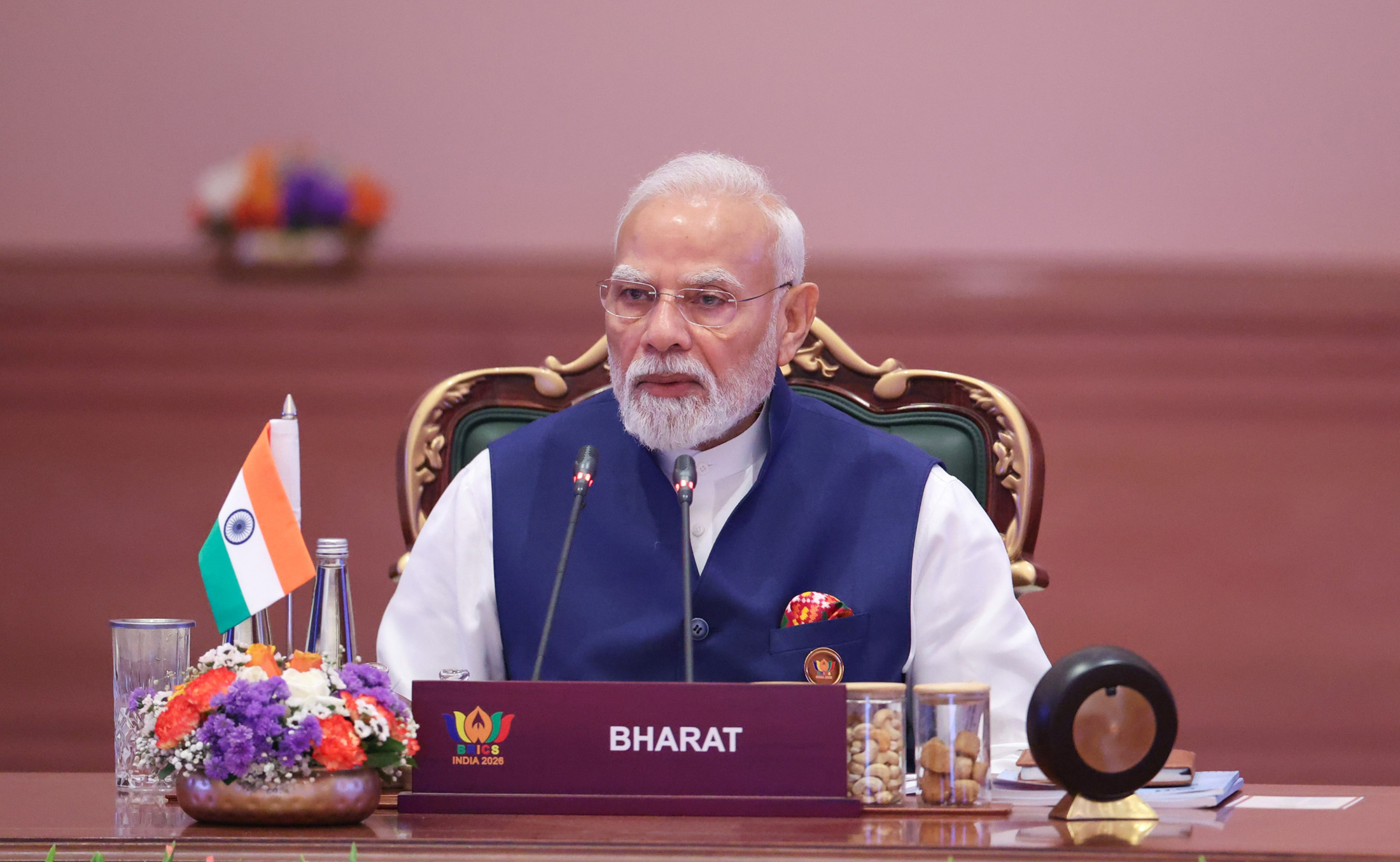
Prime Minister Narendra Modi called for time-bound implementation of BRICS outcomes as the eighteenth summit concluded in New Delhi on September 13, 2026. In his closing remarks, reported by Akashvani, he said the New Delhi Declaration should guide future cooperation and that the summit's decisions should produce benefits reaching people at the last mile.
The closing message followed two days of leaders' discussions. Modi said cooperation should remain the grouping's inspiration while its diversity remained part of its identity. Earlier remarks had identified pandemics, climate disasters and disrupted supply chains as shared problems. His concluding appeal therefore focused on carrying the meeting's outcomes into action after the leaders left New Delhi.
One concrete strand of the chairship's work had been agreed at the August 7 trade ministers' meeting in Jaipur. Ministers issued a consensus to study a BRICS invoice-discounting mechanism and adopted credit-assessment principles for export-oriented micro, small and medium enterprises. The Commerce Ministry said the approach emphasised a firm's cash flow instead of relying on its assets and collateral.
The Jaipur outcomes also included principles for cooperation in digitally delivered cross-border services. A separate global-value-chain workplan contained a 2026-2030 action plan, a technical council and a joint study. The invoice-discounting proposal remained a subject for study; the ministry did not describe an already operating BRICS-wide lending facility.
Health ministers had established another set of mechanisms at their July 23 meeting in Chandigarh. These included a mental-wellness centres-of-excellence network coordinated by NIMHANS and a training-hub network for workforce development. Ministers endorsed frameworks for cooperation among national public-health institutes and for addressing diseases associated with social determinants of health. Those dated ministerial decisions identify actual institutional work behind the summit's final call for delivery, spanning business finance and public-health capacity rather than only general diplomatic aspirations.