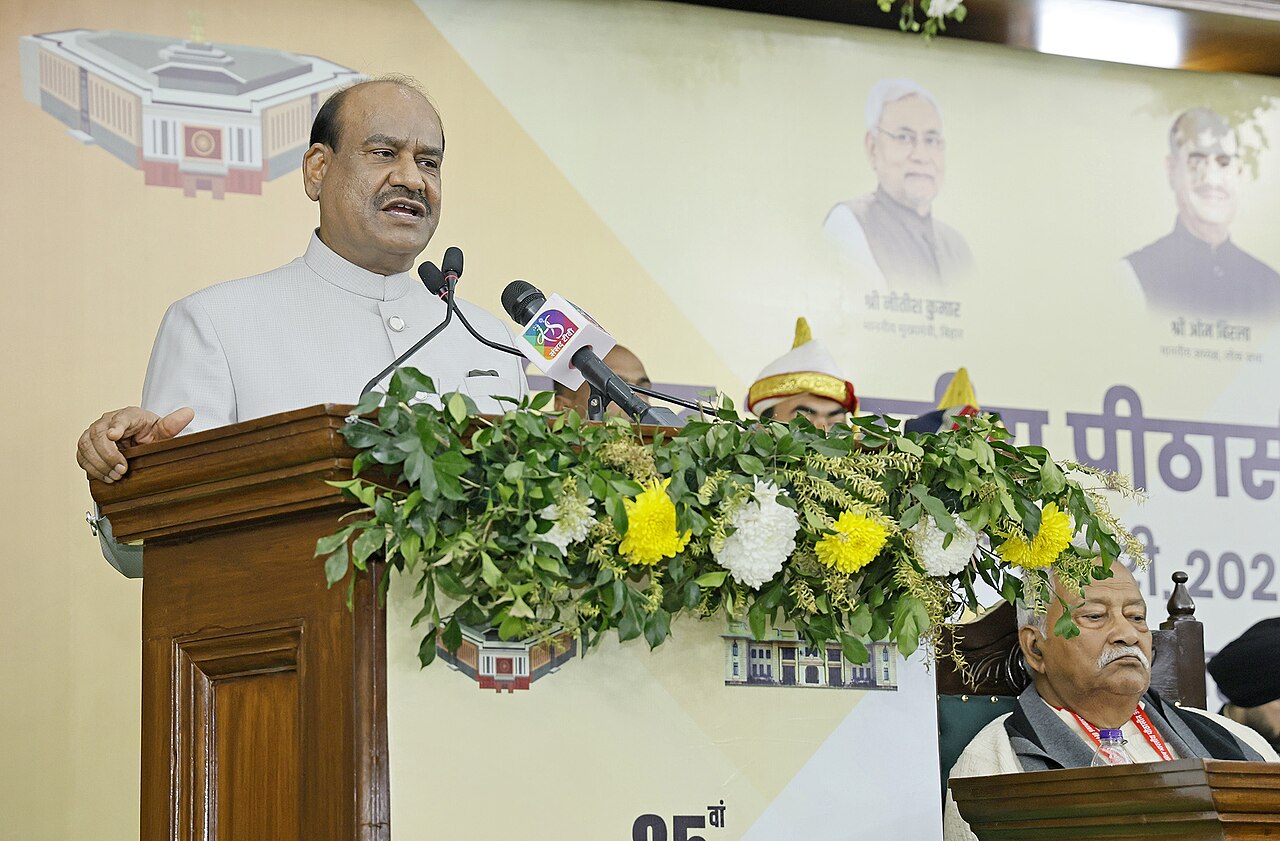
The National Human Rights Commission placed access to water within the framework of rights and public responsibility at its 33rd Foundation Day programme. A national conference following the commemorative event examined how safe and adequate supplies are tied to human dignity rather than being only an engineering or resource-management concern.
The conference was organised around the theme Water as the Elixir of Life: Advancing Human Dignity through the Right to Water. Its sessions considered protection and restoration of water bodies as well as the need to safeguard drinking-water sources, bringing researchers, civil-society representatives and human-rights defenders into the discussion.
This framing matters because unreliable water affects health, sanitation, education and the time families must spend securing a basic necessity. For public authorities, the rights perspective raises the standard beyond announcing projects: services must also be safe, dependable, accessible and delivered without systematically excluding vulnerable communities.
The NHRC said it has registered more than 24 lakh cases during its 33-year history, including 3,100 matters taken up on its own initiative, and recommended Rs 274 crore in relief. Those figures provide institutional context, but the value of the water discussion will be measured by whether policy debate produces clearer accountability and better delivery.