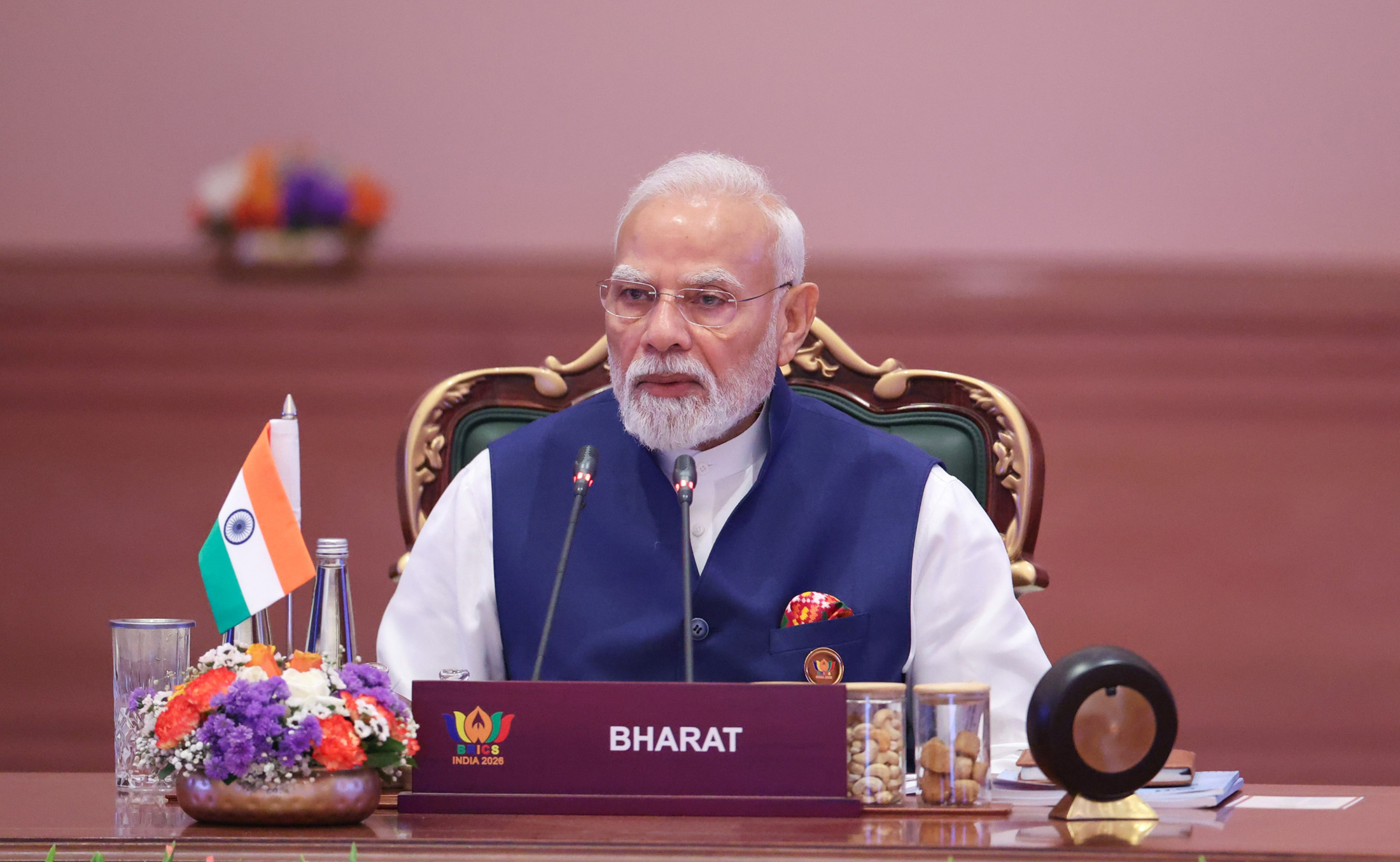
The September 12-13, 2026 BRICS summit's New Delhi Declaration welcomed a proposed expert working group on Traditional, Complementary and Integrative Medicine. Paragraph 56 places the group within the health track, with dialogue and research cooperation at its centre.
The declaration identifies medicinal plants and herbal preparations as areas for coordinated research. It also calls for evidence-informed quality, safety and efficacy requirements within national regulatory frameworks. Sharing a traditional pharmacopoeia is therefore a starting point for investigation, not a clinical finding.
WHO's 2025-2034 strategy provides a wider policy context. Its objectives include strengthening evidence, supporting safe and effective practice through regulation, integrating suitable approaches into health systems and working across sectors with communities. These are separate tasks rather than interchangeable endorsements.
Read together, the two frameworks put the practical emphasis on how a treatment is evaluated and governed. Cultural recognition can support research cooperation, but neither document supplies patient-level evidence that a particular preparation treats a particular condition; that requires evidence specific to the intervention.