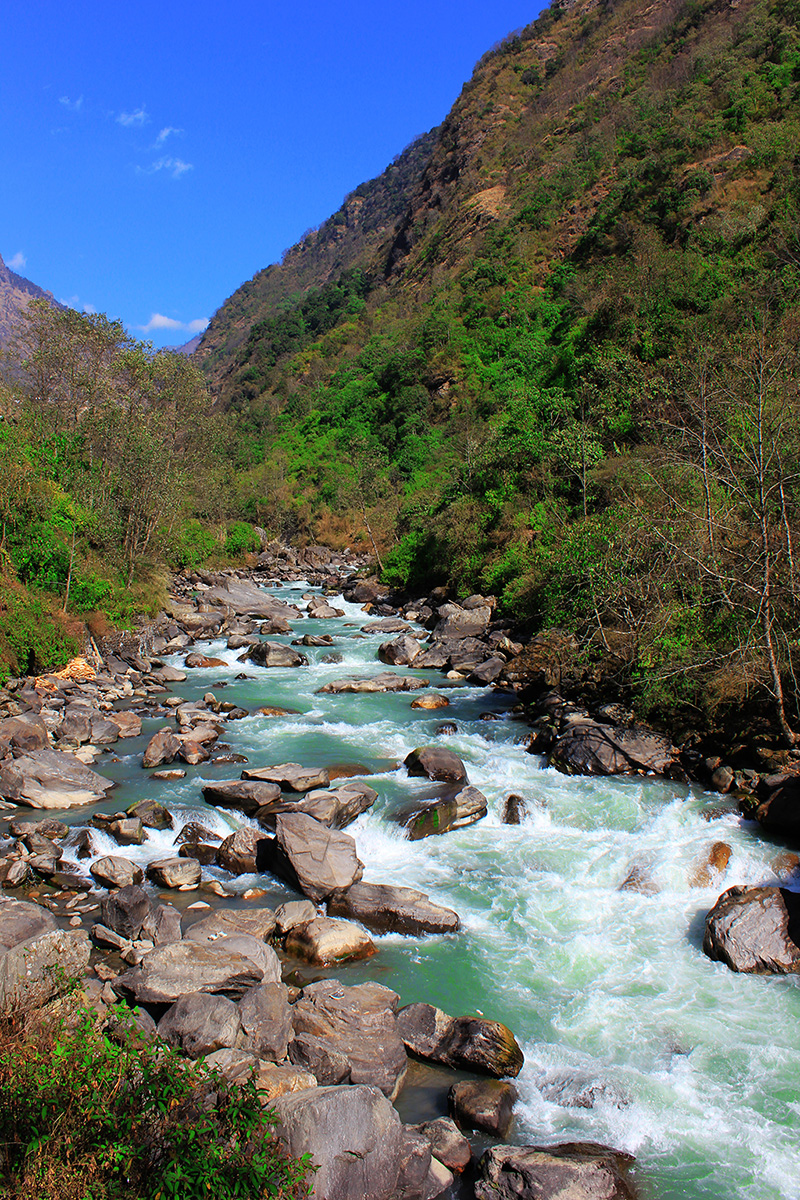
Nepal's Prime Minister Balendra Shah made disaster early-warning systems a priority in his September 19, 2026 Constitution Day address at Tundikhel in Kathmandu. Radio Nepal reported that he called for preparation before disasters, alongside risk reduction and response. His remarks followed the Bhotekoshi floods, whose losses of life and property he described as irreparable.
The speech placed disaster preparedness within a broader programme of accountable government. Shah said appointments should be merit-based and the bureaucracy politically neutral, and referred to reducing administrative machinery and combating corruption. He also proposed integrating artificial intelligence, digital technology and cybersecurity into a knowledge-based economy. These were stated government priorities rather than an announcement that a nationwide warning network was already complete.
A later technical development was recorded on September 22. At a meteorological cooperation forum in Urumqi, the China Meteorological Administration formally handed over MAZU-Nepal to Nepal's meteorological department. The agency said a cloud-based trial had already been supplied on August 29, following the August 26 disaster, and that Nepali officials used platform products during joint forecasting consultations.
According to CMA, the system combines Fengyun satellite observations with Chinese forecasting models including Fengqing and Fengshun. It provides rapidly updated, high-resolution monitoring and forecast products adapted to Nepal's terrain, infrastructure and available data. CMA also announced plans for equipment deployment, specialist training and bilateral data sharing. Those future steps remain separate from the completed handover and earlier trial.
President Ramchandra Paudel's own Constitution Day address also focused on the continuing disaster recovery. He acknowledged families who had lost relatives, homes and livelihoods, called attention to the search for missing people and conveyed condolences over foreign nationals killed in the August 26 floods. The presidential address, the prime minister's preparedness pledge and the later platform handover describe distinct actions during the same recovery period; the September 22 development is included retrospectively.