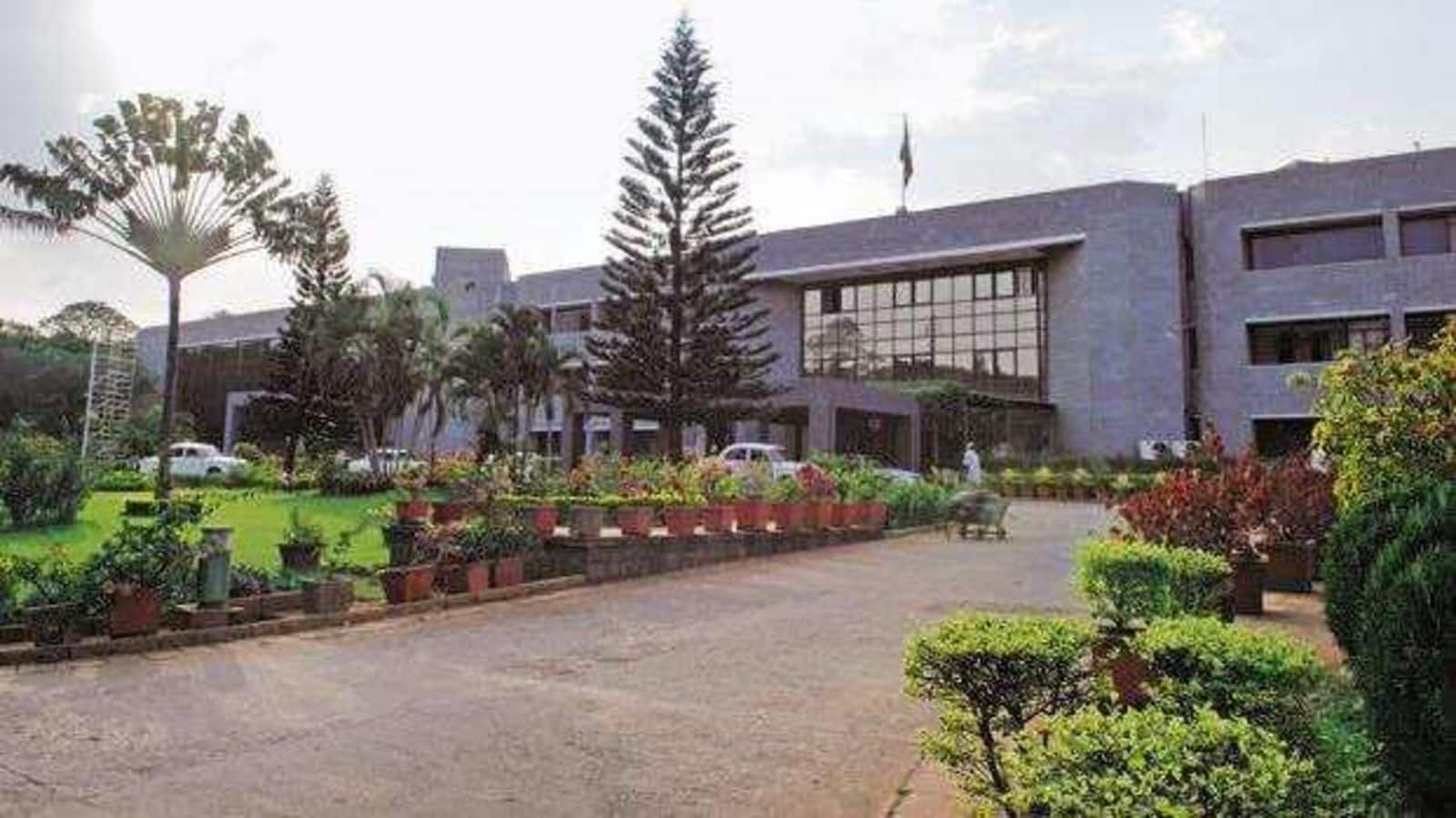
Union minister Jitendra Singh used a June 10, 2026 education-conclave address to argue that the National Education Policy gives students greater freedom to follow their interests. His examples ranged from biotechnology to literature. The underlying curriculum framework makes that flexibility more specific: it changes how subjects can be combined, not simply the labels attached to familiar streams.
For Grades 11 and 12, the National Curriculum Framework for School Education provides for two languages, including at least one native to India. Students would also choose four subjects, with an optional fifth, drawn from at least two of three other groups. These encompass arts, physical and vocational education; social sciences and interdisciplinary areas; and science, mathematics and computational thinking.
The cross-group requirement preserves breadth alongside specialisation. Choosing several science subjects alone would not satisfy that requirement. The framework also gives course designers a concrete instruction: a biology syllabus cannot assume that its students have chosen chemistry. A flexible timetable therefore needs courses that can accommodate different combinations of prior and parallel learning.
The framework envisages choices such as artificial intelligence, design thinking and specific art forms, alongside vocational courses preparing students for work. It also sets a longer-term ambition: once schools have sufficient capacity, students should draw subjects from all three non-language groups. Expansion therefore depends on schools' capacity.
University entry is the other connection. In original reporting when the framework was released in August 2023, The Indian Express interviewed Delhi educators about implementation. Birla Vidya Niketan principal Minakshi Kushwaha said school-level choice needed alignment with higher education, citing students' decisions about established streams and university admission requirements. Educator Ameeta Wattal similarly called for universities and schools to move together.
The same report identified an assessment constraint. The framework proposed at least two board-examination opportunities each year, retaining the best score. ITL Public School principal Sudha Acharya said conducting an examination, evaluating papers and declaring results took a month and a half, raising a specific scheduling challenge for the proposed system.