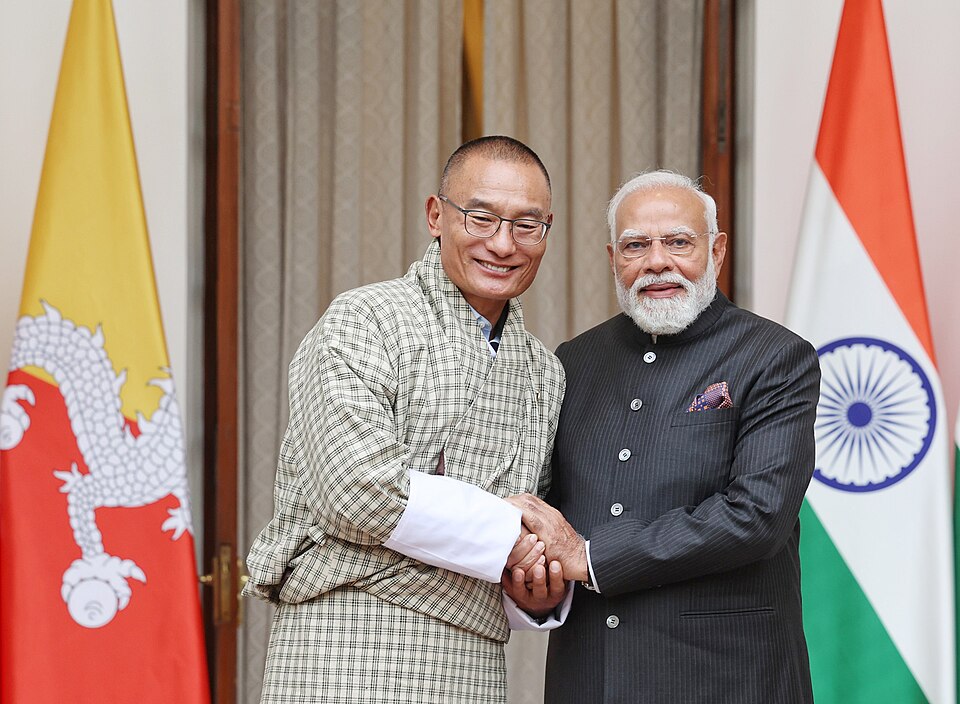
Prime Minister Narendra Modi called for meaningful discussion and participation across parties in remarks before the Monsoon Session on July 20, 2026. He urged MPs to bring facts and reasoning to debate and said experienced parliamentarians had a contribution to make regardless of party.
One concrete route for that scrutiny is Question Hour. Lok Sabha's own procedural guidance describes it as the usual first hour of a sitting, when members can seek information about administration and government activity.
A starred question seeks an oral ministerial answer and can be followed by supplementary questions. That follow-up is important: members can pursue an omission or ask for clarification rather than simply receive the initial response. Notices also identify the responsible minister and intended answer date, making scrutiny department-specific.
This creates a practical distinction between a speech presenting the government's record and Parliament testing its details. A broad claim about a programme can become a question about expenditure, coverage or a particular administrative decision.