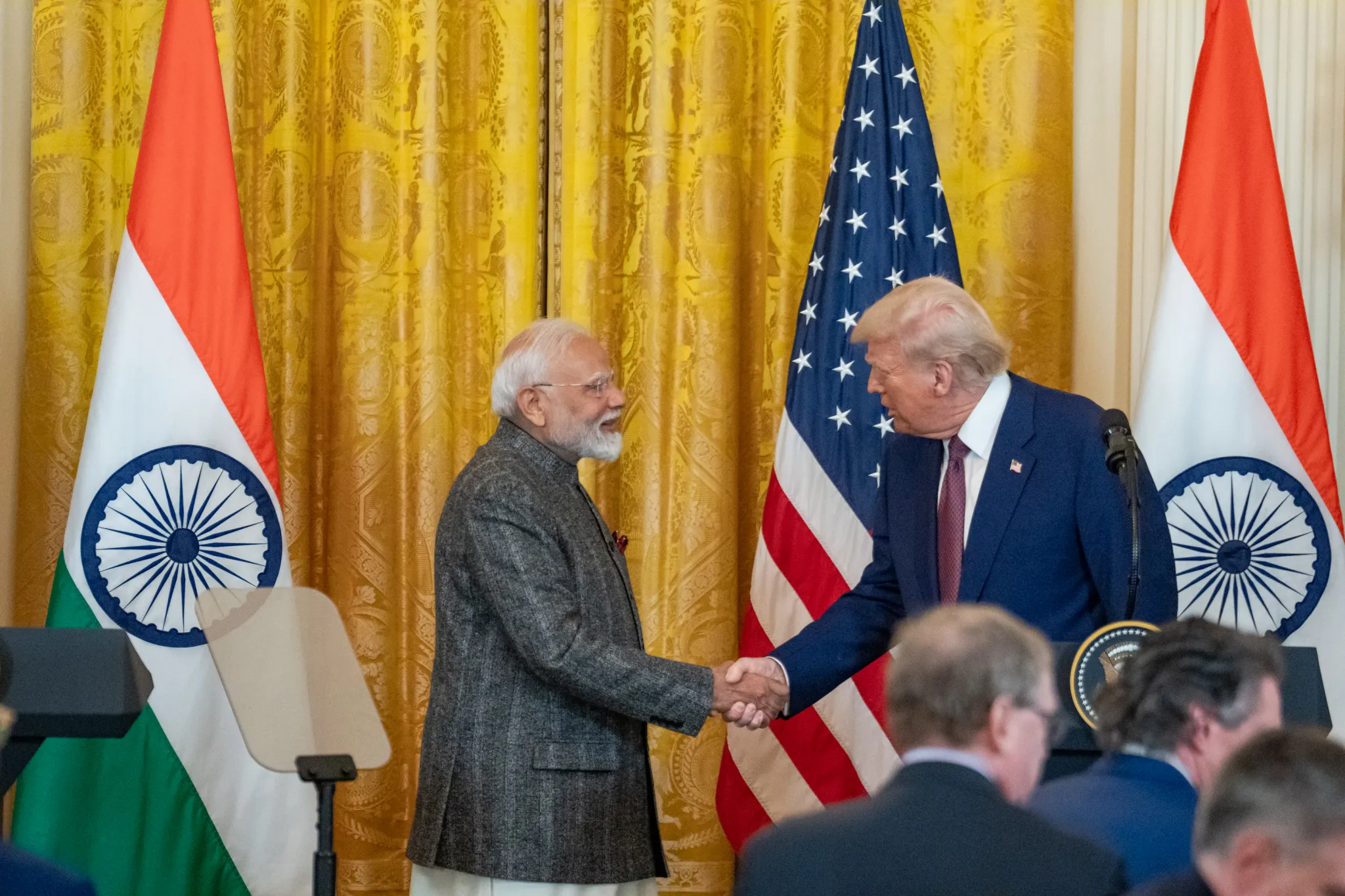
Lessons for US-India Strategic Partnership • is among the main developments being tracked today. At a critical juncture in the bilateral relationship, Senior Fellow Dan Markey assesses the enduring ties and unique challenges US-India relations confront today.
On June 3, 2026, Stimson hosted a public meeting to discuss The US–India Nuclear Accord, a new volume edited by Sumit Ganguly and Dinsha Mistree.
The book includes chapters by Indian and American policy practitioners and analysts.
It deftly assesses how that landmark deal was formulated and negotiated to a successful conclusion in 2008, as well as its implications for the nearly two decades of US-India strategic partnership thereafter.
The book gets many things right; among them, readers will be reminded of what a stunning breakthrough the deal was at the time and how much creative diplomacy and sheer grit it demanded from both sides.
The book is also a reminder of how the US-India relationship has changed.
For Indian political coverage, the most important question is whether the development changes governance priorities, party strategy, parliamentary work, electoral positioning or the public record around a policy decision.
The immediate importance of the story depends on verified public details, named institutions, official records and follow-up statements that clarify timing, scale and impact. NewsLive24 treats automated daily publishing as an early public-interest report and keeps the article open for later editorial expansion.
The next useful updates will usually come through formal notices, direct statements, court or regulator records, market filings, election authorities, multilateral agencies or on-ground reporting. Readers should treat fast-moving claims carefully until those records are available.
The newsroom will update the report if later documents, photographs, verified field reports or official clarifications materially change the story.