The World Circular Economy Forum's tenth edition took place in Gandhinagar in September 2026, with the main forum on September 15-16 and accelerator sessions scheduled for September 17-18. The Central Pollution Control Board's event page identified Mahatma Mandir as the main venue and listed CPCB, the Environment Ministry, Sitra and the Gujarat government among the organisers.
The Environment Ministry's advance programme set out four plenaries and sixteen parallel sessions covering employment, finance, governance, sustainable products, industrial solutions, startups and technology. It also scheduled an in-person meeting of the board of the UN's ten-year framework on sustainable consumption and production. India had recently become a co-chair of that board, according to the ministry.
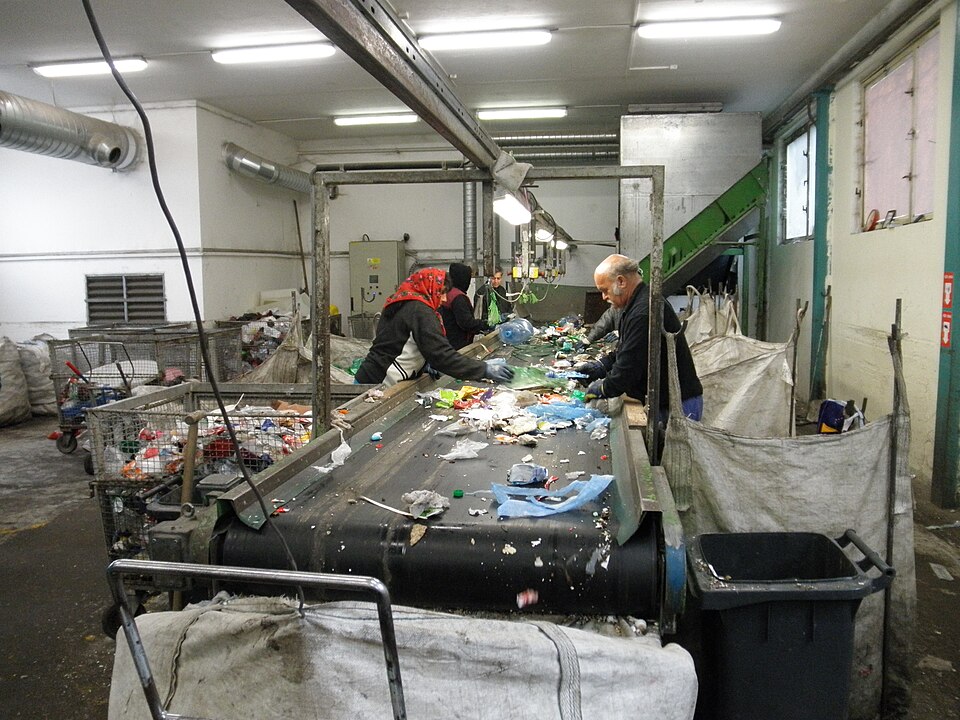
A specific accelerator programme was organised by the National Productivity Council with the Material Recycling Association of India. Its online September 18 session focused on scaling circular-plastics value chains through micro, small and medium enterprises and recycling clusters. The published agenda linked collection and segregation with processing, testing, skills, technology and access to markets.
The NPC programme also identified traceability, advanced sorting, food-grade recycling, quality testing and certification as discussion topics. Extended Producer Responsibility was included as a way to examine demand for recycled plastics alongside collection and recovery. These were scheduled subjects for the session, not an announcement of new binding standards or proof that every participating recycler had adopted the technologies.
In its September 16 closing account, the Environment Ministry reported around 2,700 delegates and 260 speakers from more than sixty countries, along with 135 exhibitors. It said eighty accelerator sessions would follow and recorded the handover of the 2027 forum to Columbia University in the United States. The main meeting and the specialised plastics agenda together show how the programme moved from broad policy discussions to identifiable industrial processes and business requirements.