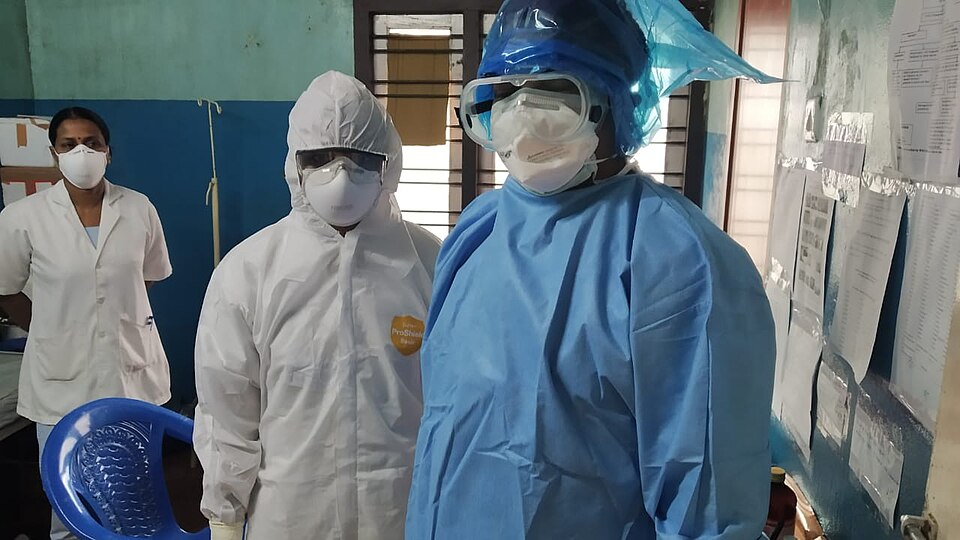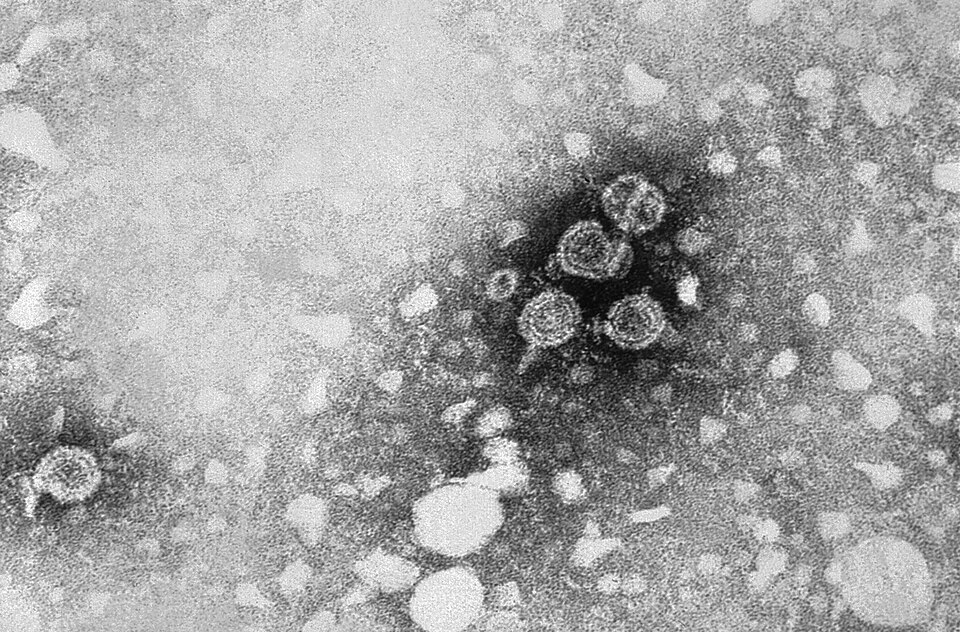
India restated its goal of eliminating hepatitis B and C as public-health threats by 2030 at a New York event alongside the UN General Assembly, according to Akashvani's September 23, 2026 report. Health Secretary Punya Salila Srivastava described measures including antenatal screening, immunisation, diagnosis and treatment.
The two infections require different responses. WHO says hepatitis B can be prevented through vaccination, including protection beginning soon after birth. People with chronic infection may need antiviral treatment to reduce liver damage; most who begin that treatment continue it for life. Prevention therefore cannot replace care for people already infected.
For hepatitis C, WHO reports no effective vaccine, but direct-acting antivirals can cure more than 95 percent of infected people. Getting to treatment requires a diagnostic pathway: an antibody-positive result shows previous exposure, while an RNA test establishes whether infection persists. Some people clear the virus but remain antibody-positive.
This distinction changes how programme performance should be read. A count of hepatitis C screening tests is not a count of active infections diagnosed or people cured. Equally, new hepatitis B vaccinations do not measure whether existing patients can obtain sustained treatment.
The secretary's statement describes a national commitment and reported interventions, not a verified assessment of progress towards 2030. It provides no national diagnosis-to-treatment figures or outcome trend. Those are needed to judge delivery; the availability of effective clinical tools alone does not establish that everyone who needs them is reached.