PM Modi says India is now the world's fourth-largest refinery capacity holder while inaugurating the Rajasthan Refinery and projects. The larger issue is how diplomacy, security, trade and multilateral institutions shape India's options, which makes the story useful beyond the immediate headline. The report should therefore be read for its public consequence, institutional setting and follow-up evidence.
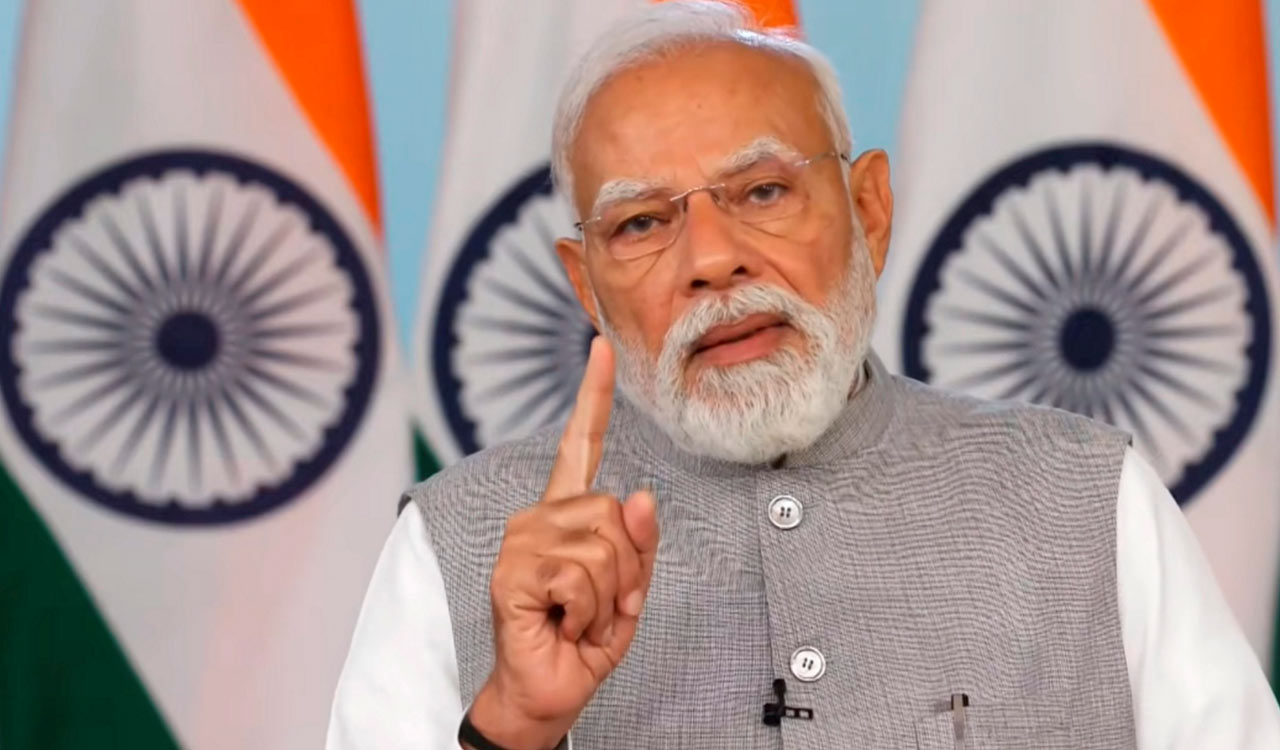
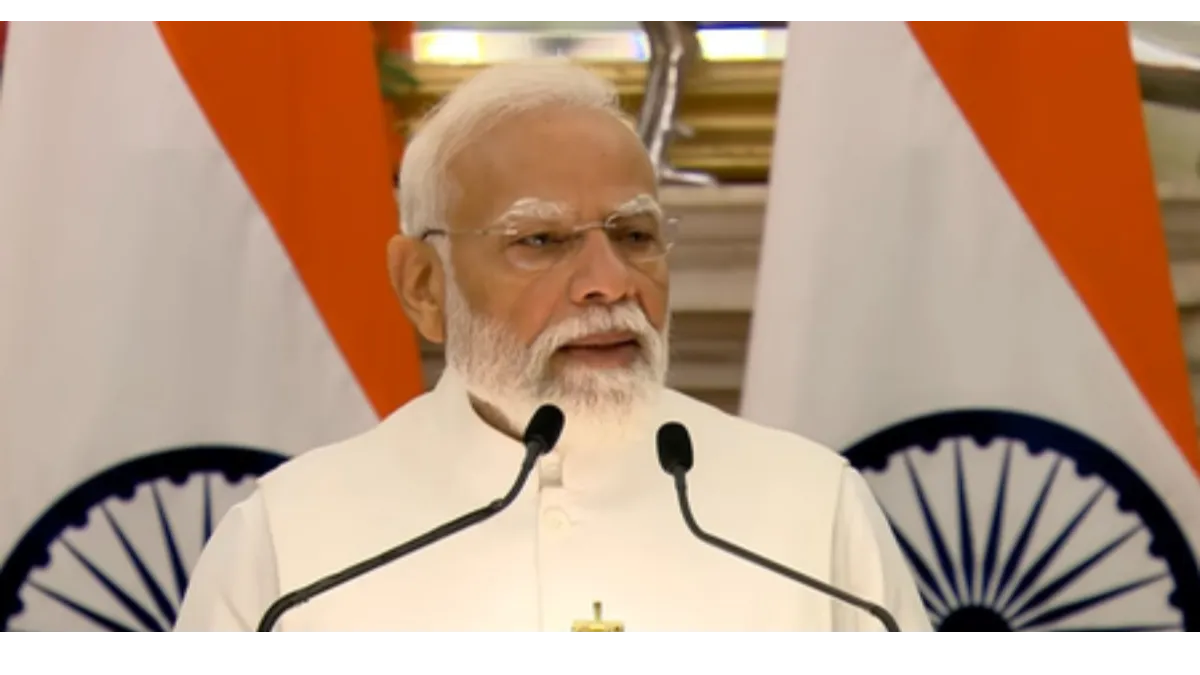
Prime Minister Narendra Modi announced that India has become the world’s fourth-largest refinery capacity holder while dedicating the Rajasthan Refinery to the nation.
He highlighted India’s energy security, resilient fuel supply during global crises, and unveiled development projects worth over ₹1.06 lakh crore in Rajasthan.
Context and syllabus link
Syllabus link: GS II - international relations, India and its neighbourhood, global institutions and agreements. In answer writing, "India Becomes Fourth-Largest Refinery Capacity Holder: PM Modi | " should be used as a current example only after separating confirmed facts from claims, commentary and later political or market reactions. The safest approach is to identify the institution involved, the affected group and the measurable outcome that can be verified later.
Why it matters
The international-relations value lies in mapping the actors, India's stated position, possible effects on citizens abroad, trade routes, energy security and multilateral negotiations. This gives the article a clear analytical base: actor, institution, affected group, implementation route and outcome.
For Mains, the central question is whether the development changes outcomes in India's external relations and strategic interests. A strong answer should test policy intent against implementation capacity, accountability and measurable public impact, while avoiding claims that are not supported by the source material.
Key dimensions
The strategic dimension is to map the actors, their interests and India's room for manoeuvre across diplomacy, security, trade, energy and diaspora concerns. In a Mains answer, this dimension should be linked with cause, impact and accountability rather than listed as a loose fact.
The institutional dimension is to check whether the issue involves international law, multilateral forums, sanctions, humanitarian obligations or formal bilateral commitments. In a Mains answer, this dimension should be linked with cause, impact and accountability rather than listed as a loose fact.
Challenges
The main challenge is uncertainty: conflicts, negotiations and sanctions can change quickly, while India has to protect strategic autonomy and practical interests at the same time. Mentioning this limitation improves answer quality because it shows balance, administrative realism and respect for evidence.
A second challenge is evidence. Diplomatic reporting should be checked against official statements, treaty obligations, multilateral records and the position of affected citizens or firms. Mentioning this limitation improves answer quality because it shows balance, administrative realism and respect for evidence.
Way forward
The way forward is to follow official diplomatic statements, multilateral records, embassy advisories and credible ground reporting. India's response should be assessed through interest, principle and capacity. For revision, record the timeline, responsible authority and one outcome indicator so the issue can be updated without rewriting the whole note.
Mains answer frame
A concise Mains answer can begin with the verified event, use two body parts on India's interests, regional stability, international law, supply chains and diplomatic choices, add one evidence point from the report, and close with a balanced way forward. Use the facts as examples, not as slogans, and make the conclusion conditional on later official records. Initial names to verify include Modi, India, Rajasthan Refinery, Prime Minister Narendra Modi.
Conclusion
The conclusion should be cautious: the headline is important only if later records show real effects on people, institutions, markets or India's public interest. Until then, it is best used as a developing current-affairs example rather than a final verdict. For revision, the value lies in tracking how evidence changes the assessment, not in treating the first headline as the final record.