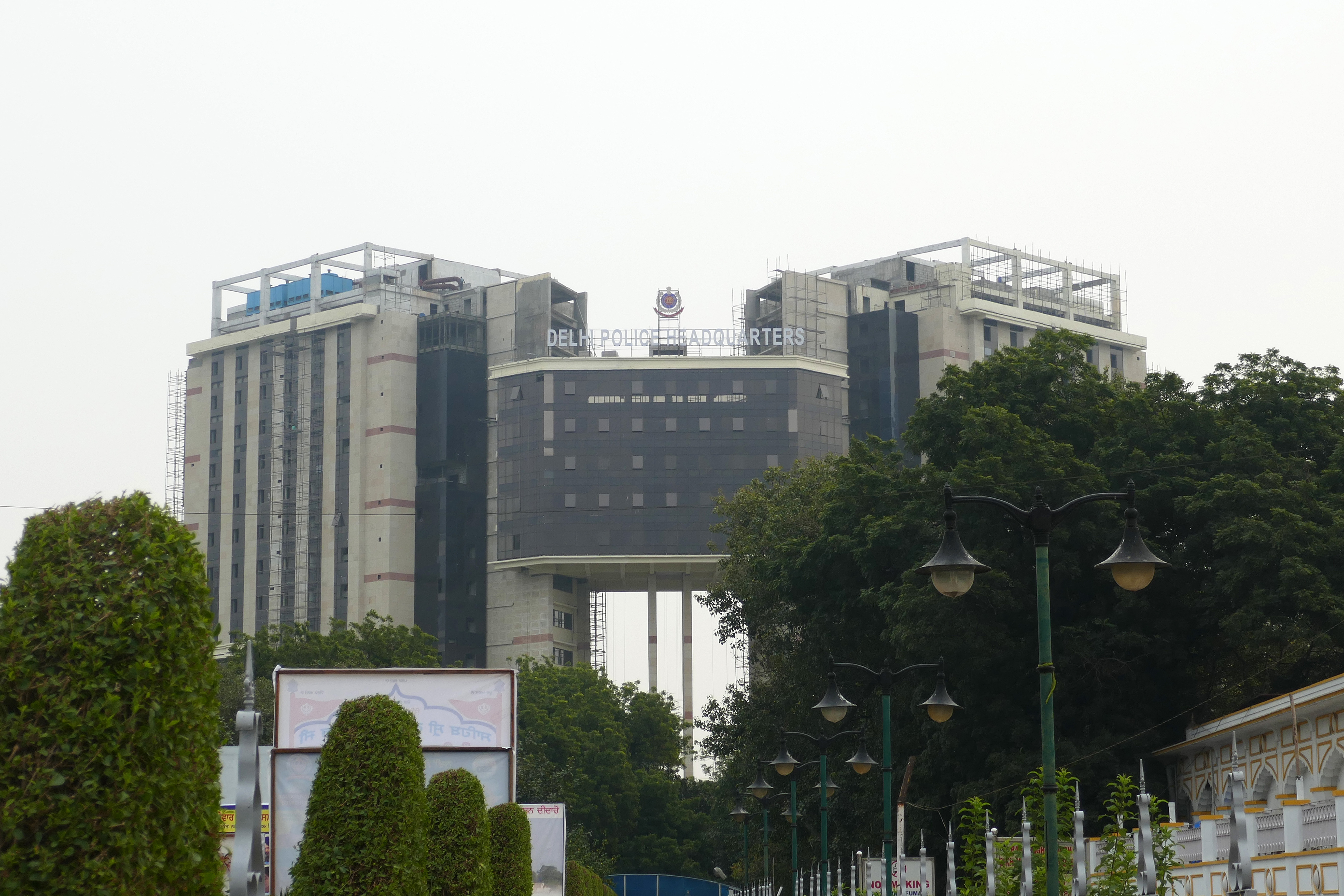
Delhi Police warned of possible traffic diversions from 6 am on October 11, 2026, citing the capital's law-and-order situation. The advisory covered approaches towards New Delhi from the Shankar Road-Vande Mataram junction and Jhandewalan-Panchkuian Marg. It also named Gole Dak Khana, Patel Chowk and Mandi House among the locations where vehicle movement could be affected, according to the advisory carried by Akashvani.
Other affected stretches identified by police included the Bhairon Road-Ring Road junction and Lodhi Road Flyover. Police said restrictions would depend on conditions on the ground and could be relaxed or adjusted following real-time assessment. The notice asked travellers to plan journeys ahead, avoid non-essential travel and follow current traffic information. It did not specify a single citywide closing time for all the listed diversions.
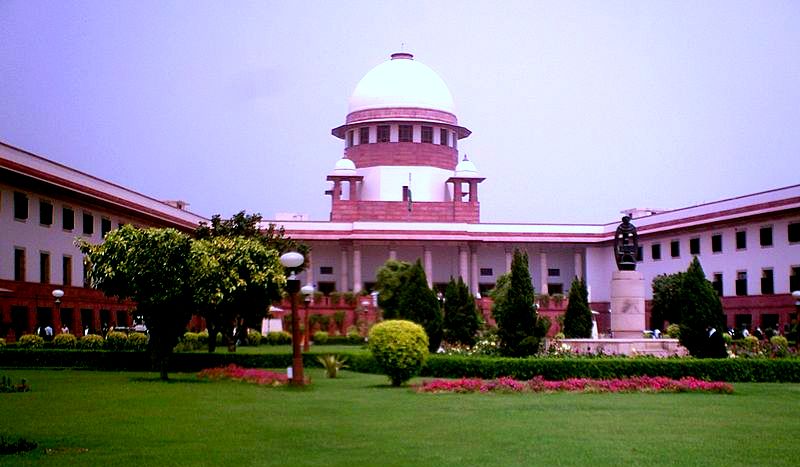
Later on October 11, the Supreme Court ordered an immediate review of road barricades to allow movement subject to traffic and public-order requirements. Justices Joymalya Bagchi and V. Mohana directed normal Metro and railway operations, subject to lawful restrictions, and unhindered internet services. Their order followed petitions alleging unlawful detentions and breaches of the court's October 9 directions concerning restrictions on public transport during the October 10 protests.
The court also prohibited illegal detention, particularly of peaceful, unarmed gatherings outside areas covered by Section 163 restrictions. It ordered removal of a prohibitory notice board around the Supreme Court, if still present, and protected lawyers, journalists and other professionals from obstruction in their work. Solicitor General Tushar Mehta told the bench that all Metro stations had reopened at 10 pm on October 10. Counter-affidavits from the respondents and compliance reports were due on October 13.