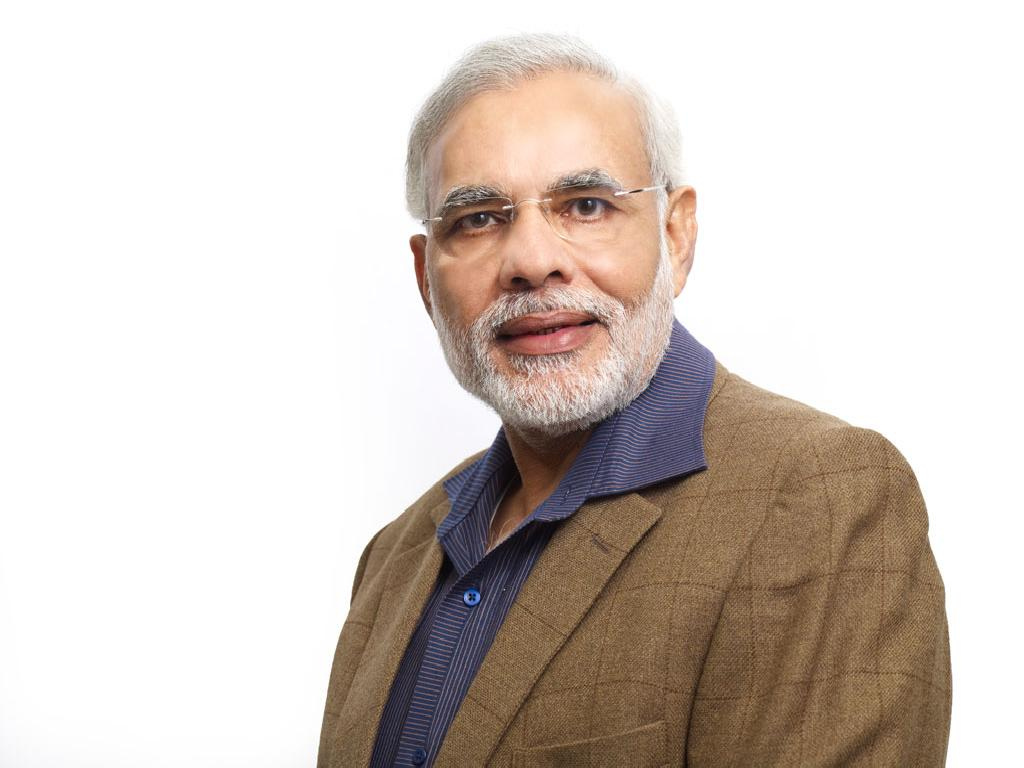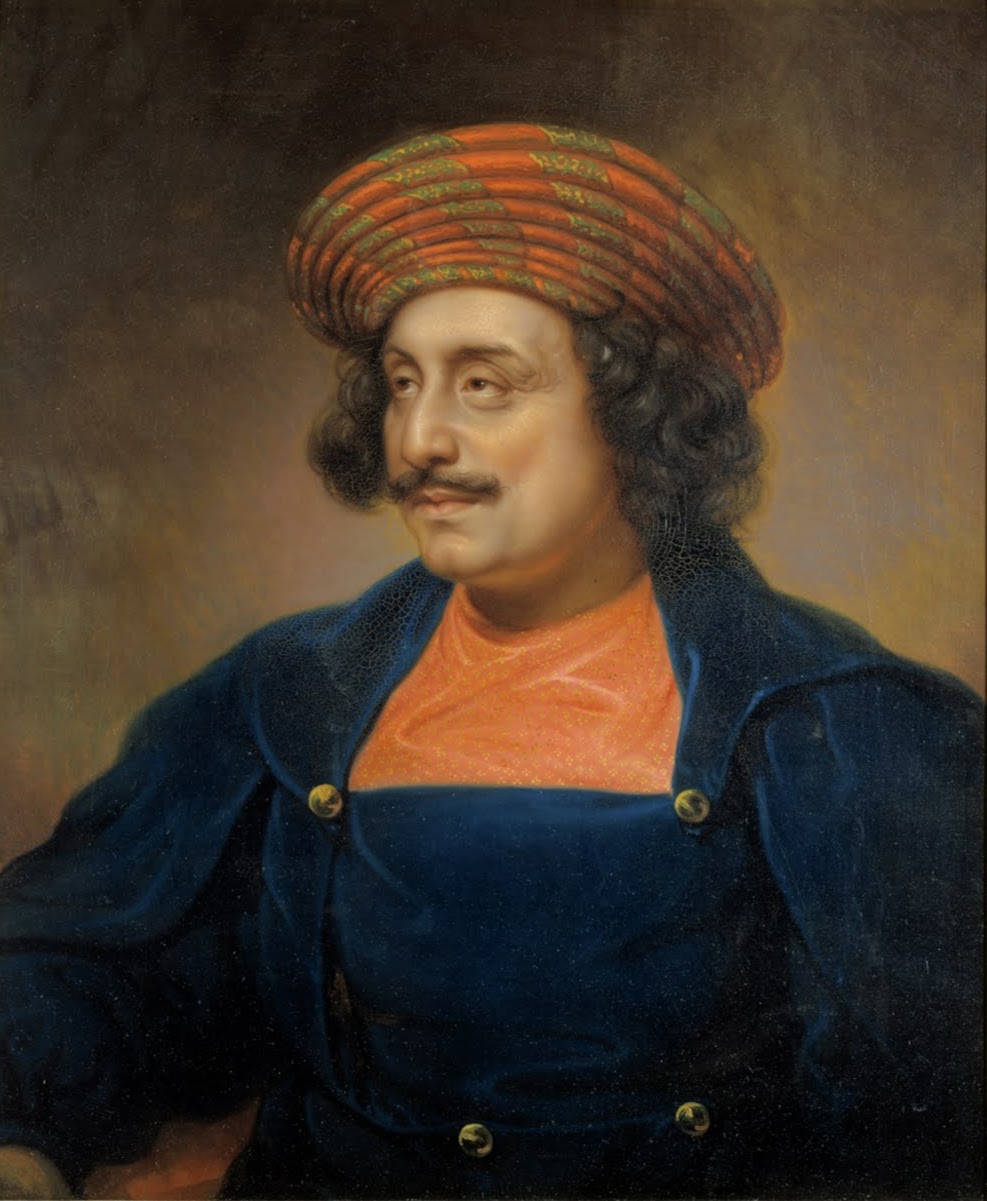
Defence Minister Rajnath Singh paid tribute to Raja Ram Mohan Roy on his death anniversary in September 2026, highlighting education, reason and human dignity. Akashvani reported Singh's description of Roy as a figure who challenged entrenched social practices.
The surviving record gives that praise a more specific shape. Arnos Vale Cemetery Trust, which maintains Roy's Bristol memorial, describes his work through the Bengali newspaper Sambad Kaumudi and the Persian Mirat-Ul-Akbar, as well as the religious and social reform organisation established in 1828 that became associated with the Brahmo Samaj.
These were different ways of building a public argument. Print could carry ideas beyond a meeting, while an organisation could sustain discussion and activity over time. Roy's reform work therefore involved institutions and communication, not only a set of personal convictions remembered after his death.
The Bristol memorial also records an international dimension. Roy visited Britain as an envoy of the Mughal emperor and met people with whom he had corresponded on religious and social matters. He died in Bristol in 1833; Arnos Vale records the transfer of his remains to its memorial in May 1843.
The tomb's history matters because remembrance has its own chronology. The place visited today was not his first burial site, and the memorial was supported by Dwarkanath Tagore, a fellow figure in the reform movement. It preserves a network of relationships as well as the memory of one individual.