Census 2027 and the making of modern India is among the main developments being tracked today. As India begins its first Census in 16 years, Censusnama traces how it shaped representation, caste, language debates and modern India.
The 16th decennial Census of India—originally due in 2021—has been delayed by six years, the first such disruption since synchronous censuses began in 1881.
With the last census conducted in 2011, India has been operating with data that is over a decade old, creating a serious deficit in a rapidly changing society.
This gap has affected welfare allocation, poverty estimates, administrative planning, and our understanding of migration and urbanization, while also weakening the reliability of surveys built on outdated population frames.
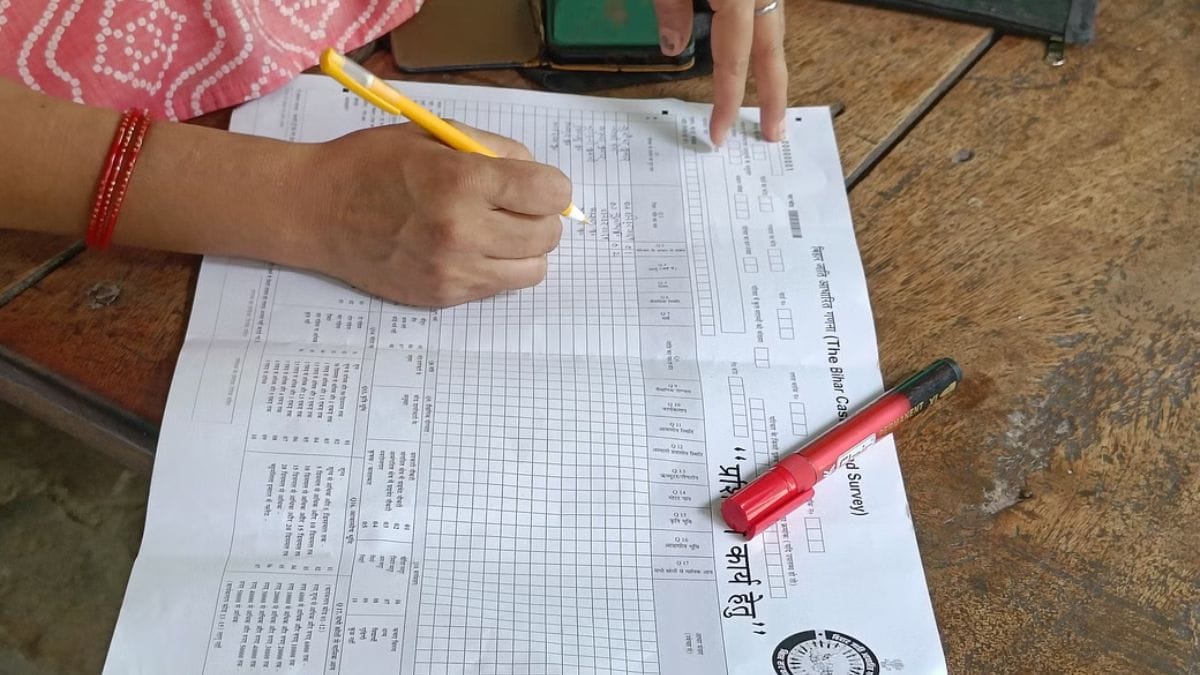
There is now reason for cautious optimism: from Apr 1, 2026 India has begun the monumental exercise of enumerating over 1.4 billion people.
This is the world’s largest peace time administrative exercise involving nearly 3 million people.
For Indian political coverage, the most important question is whether the development changes governance priorities, party strategy, parliamentary work, electoral positioning or the public record around a policy decision.
The immediate importance of the story depends on verified public details, named institutions, official records and follow-up statements that clarify timing, scale and impact. NewsLive24 treats automated daily publishing as an early public-interest report and keeps the article open for later editorial expansion.
The next useful updates will usually come through formal notices, direct statements, court or regulator records, market filings, election authorities, multilateral agencies or on-ground reporting. Readers should treat fast-moving claims carefully until those records are available.
The newsroom will update the report if later documents, photographs, verified field reports or official clarifications materially change the story.