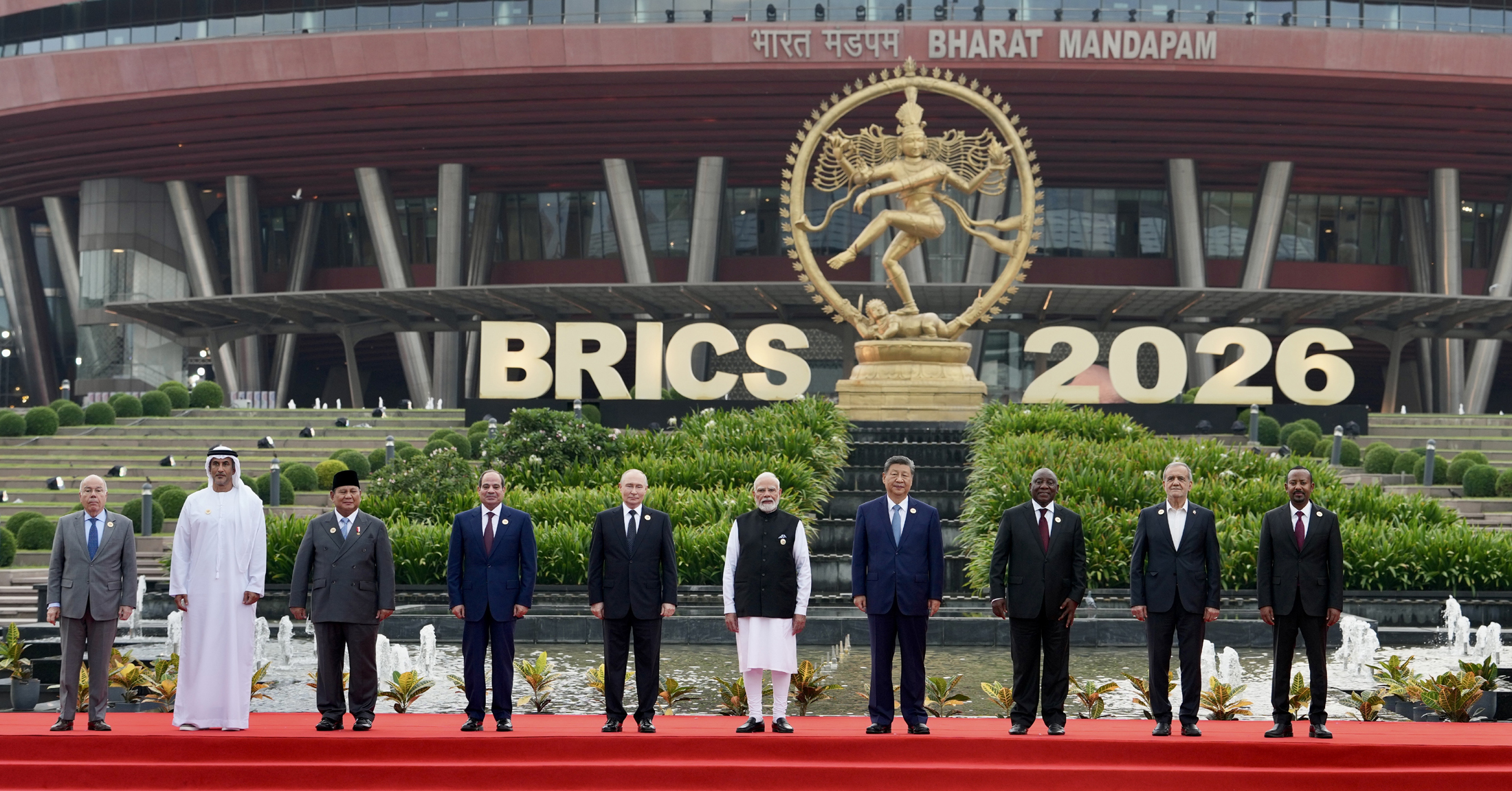
BRICS leaders adopted the New Delhi declaration at the conclusion of their September 12, 2026 session on global governance and multilateralism, according to the Prime Minister's Office. Narendra Modi chaired the session during the eighteenth summit in New Delhi and called for developing countries to have greater influence in international institutions, including the United Nations Security Council.
The PMO's September 13 readout recorded two practical proposals from Modi. One would support young Global South diplomats and policymakers with negotiation training and legal expertise. The other was a Seafarers Emergency Support Network, intended to assist people working in maritime trade during crises. The readout presented these as proposals in his remarks, while separately confirming adoption of the leaders' declaration.
In that declaration, members supported broader developing-country representation in international decision-making and more balanced geographical recruitment within international organisations. They also sought reform of the IMF and World Bank, including leadership-selection procedures, and urged implementation of the quota increases agreed under the IMF's sixteenth general review. The document linked those institutional demands with an expanded role for emerging and developing economies.
Other work under India's chairship had already produced named economic-cooperation initiatives. A government summary of ministerial outcomes identified a Global Value Chains Action Plan for 2026-2030, including a technical council and joint study. It also recorded members' in-principle approval and willingness to sign an agreement on customs cooperation and mutual administrative assistance. These were reported stages of agreement, not a claim that every measure had entered into force.
The same official summary listed a memorandum signed by national standards-body heads covering standards development, information exchange and technical cooperation. Together, the records show the summit's governance debate extending from representation in global institutions to concrete work on customs, standards and production networks. The proposed seafarer-support network added a crisis-assistance issue to that agenda, while the adopted declaration set out the members' shared positions for continuing negotiations and cooperation.