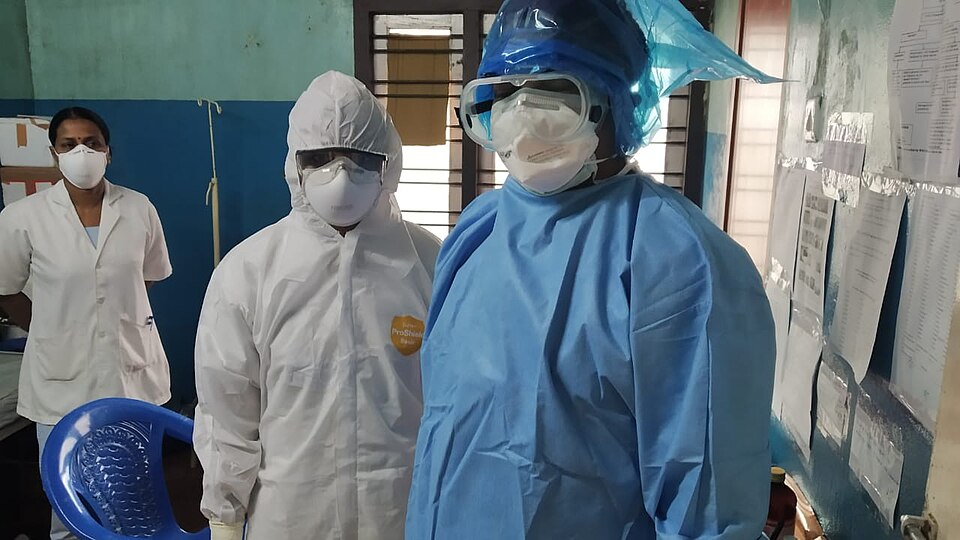
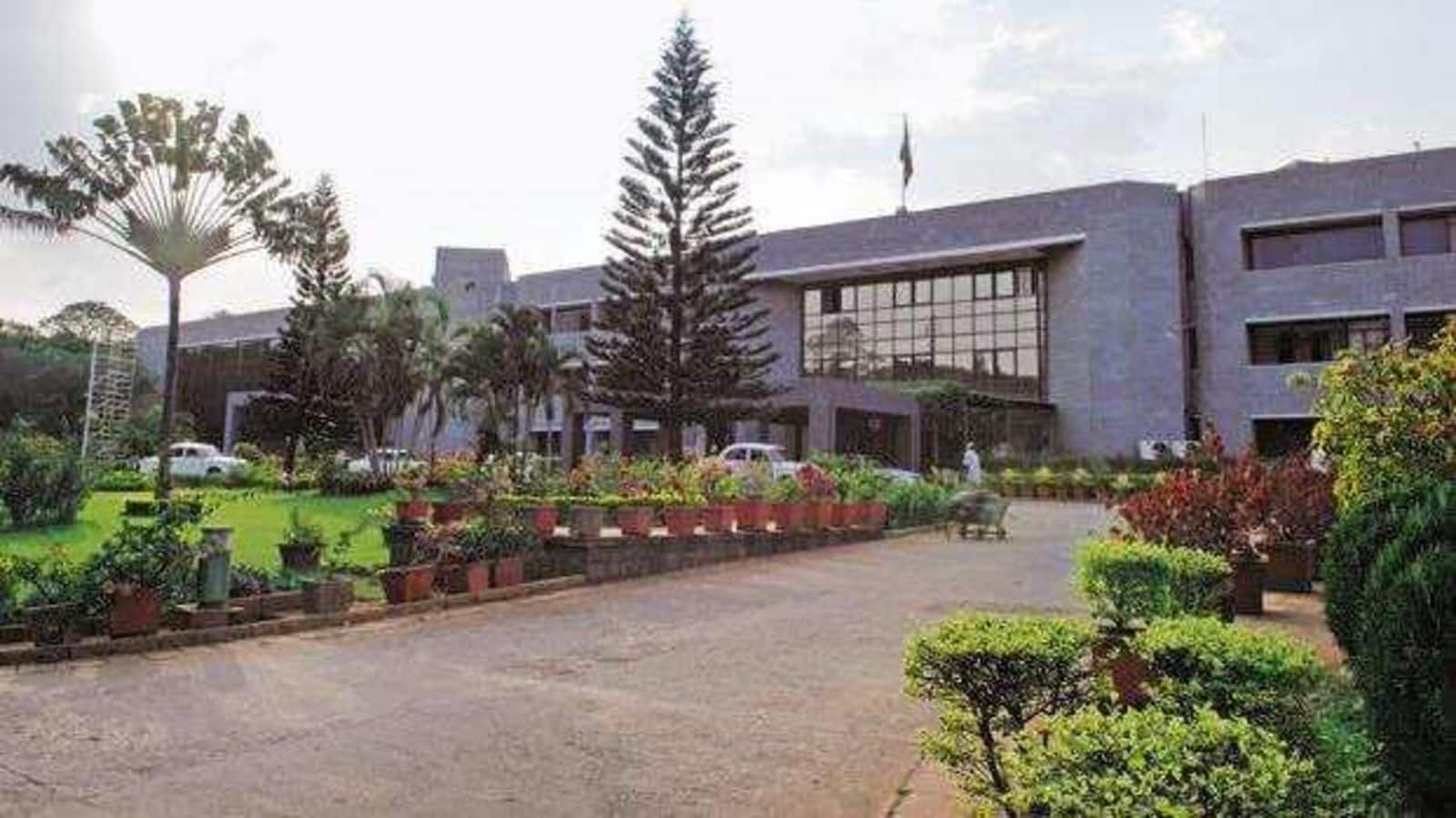
More than 1,700 government and support staff attended a health camp at Kartavya Bhawans 1, 2 and 3 from July 22 to 24, 2026, the Health Ministry reported. Participants came from more than 16 ministries.
The camp offered blood-pressure, glucose, body-mass and haemoglobin checks alongside consultations and referrals. Two Nikshay vans supported the TB component with digital chest imaging and molecular testing facilities.
These services belong to different stages of care. WHO explains that TB screening identifies people who may need further investigation; a positive screen does not by itself confirm that a person has tuberculosis. Chest imaging and molecular tests can form parts of a testing pathway rather than interchangeable labels for a diagnosis.
Bringing checks to a workplace can reduce the need for a separate initial visit. WHO recognises both occupational screening and mobile outreach as settings for finding people who otherwise may not reach services promptly.
Attendance measures the camp's reach, while confirmed diagnoses and completed referrals measure later stages of care. Follow-up is the link between finding a possible problem during screening and ensuring that a patient receives the appropriate treatment.