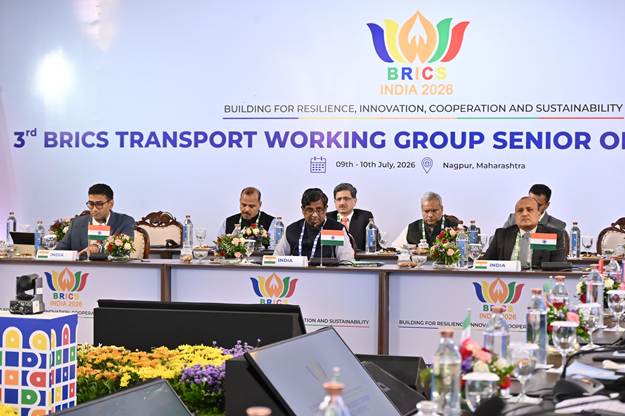
The BRICS transport working group opened in Nagpur on July 9, 2026 with six areas on its agenda: infrastructure sustainability, aviation fuel, transport decarbonisation, urban mobility, resilient logistics and railway research.
The list brings together different sources of transport costs and emissions. Fuel research concerns how a vehicle is powered; railway and urban-mobility work concern how people and goods move; logistics resilience concerns whether those movements can continue through disruption.
Sustainable aviation fuel illustrates why technical cooperation matters. ICAO assesses such fuel through its lifecycle, including feedstock production, processing, transport and combustion, rather than judging only what happens inside an aircraft engine.
A fuel's feedstock and conversion process can consequently affect its emissions performance. Using the label 'sustainable' alone does not establish one fixed carbon saving for every batch or production pathway.
Five virtual preparatory meetings preceded the Nagpur discussions, with ministers scheduled to meet on July 11. The separate workstreams reflect different tasks: assessing fuels, operating networks and keeping freight moving through disruption.