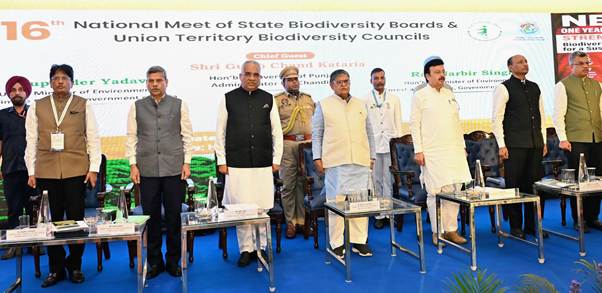
At the September meeting of state biodiversity boards and Union Territory councils in Chandigarh, the Union environment minister urged local biodiversity committees to connect their records with planning and conservation. The ministry described a network of about 2.76 lakh committees and called for biodiversity registers to remain living records rather than one-time inventories.
The practical distinction is between recording what a locality has and determining what happens when biological resources or associated knowledge are used. A register can identify a resource and its local context. It does not, simply by existing, establish that a particular commercial user owes a particular payment.
The Convention on Biological Diversity explains that the Nagoya Protocol addresses fair sharing of benefits from the use of genetic resources, including associated traditional knowledge. Its framework links access with prior informed consent and mutually agreed terms, subject to the applicable requirements. Benefits can be financial, but can also include research cooperation and sharing research results.
That distinction matters when assessing the ministry's statement that more than Rs 200 crore in benefits had been shared. The figure is a government-reported aggregate, not an independently audited result in the material reviewed. It does not show how much a particular community received, how recipients were selected or whether non-financial benefits were included.
The useful accountability questions therefore sit below the national total: which resource or knowledge was used, what terms applied, who was entitled to benefit and what was actually transferred? The meeting highlighted local institutions; demonstrating their effectiveness requires transaction-level and community-level evidence, not the number of registers alone.